China has really become a go-to place for sourcing Roof Soffit Panels, especially for projects all over the world—whether it’s residential, commercial, or industrial. But when someone says 'top manufacturer,' it shouldn’t just mean low prices or eye-catching product photos. Honestly, it’s more about proven experience in production, consistent material quality, quick and responsive communication, and reliable after-sales support. Those are the real markers of a good supplier.
In this guide, I want to walk you through how to evaluate China-based Roof Soffit Panels manufacturers using practical criteria. We’re talking about different materials like aluminum and vinyl, along with other common panel options. I’ll also cover things like ventilation designs, surface finishes, how consistent the dimensions are, packaging quality, and whether they can customize products to fit your needs. A trustworthy manufacturer should be transparent about the raw materials they use, providing clear product specs, testing records, installation tips, and realistic timelines. Sometimes, going beyond brochures—like doing factory visits or inspecting samples—can really give you a better idea of what you’re getting.
Little details honestly matter more than you might think. For example, a solid supplier might use protected storage, make sure their cutting tools are calibrated, and pack corners carefully. All this helps prevent scratches, dents, or delays during installation. Still, nobody’s perfect—some manufacturers might have great panels but lousy communication when it comes to your project. Others might answer quickly but struggle to maintain consistent quality. So, it’s really about comparing actual evidence, not just promises.
Don’t forget, things like your local building codes, climate conditions, and ventilation requirements can also sway your decision. This guide is meant to help you identify dependable Roof Soffit Panels suppliers from China and evaluate them with a bit of professional judgment. The aim isn’t to blindly endorse one company but to encourage a careful, transparent, and practical approach to choosing the right partner for your project.
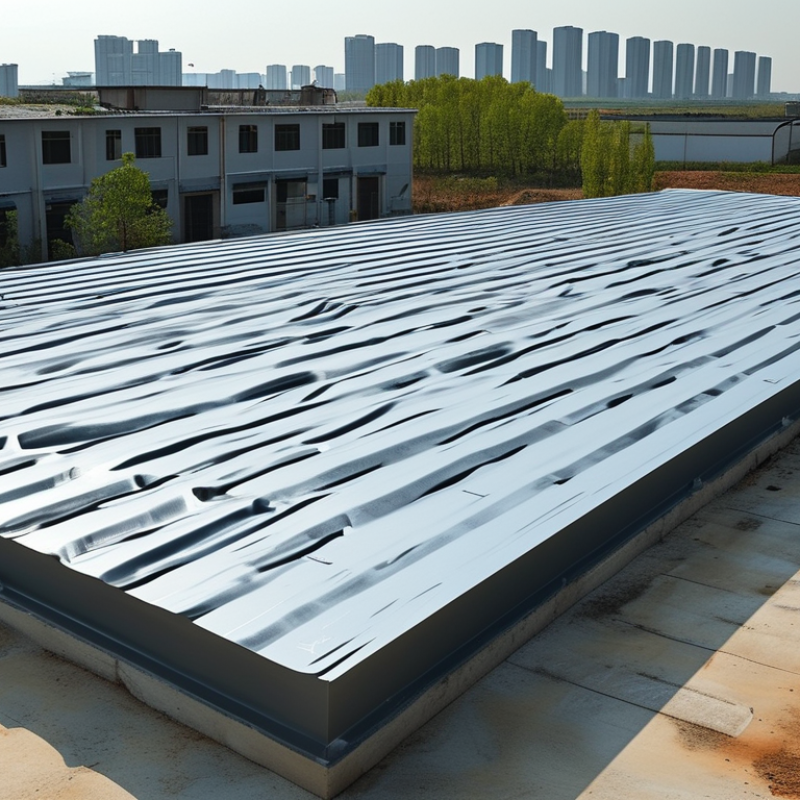
What Are Roof Soffit Panels and Why Are They Important?
Roof Soffit Panels cover the underside of roof overhangs, where rafters, insulation, and ventilation channels are exposed. They create a clean barrier against wind-driven rain, insects, and nesting birds. They also help air enter the attic through continuous intake openings.
Ventilation is their most important technical function. The 2024 International Residential Code, Section R806.2, generally requires one square foot of net free ventilating area for each 150 square feet of attic area. This ratio may become 1:300 when specific vapor-control conditions are met. The U.S. Department of Energy’s Building America guidance also stresses balanced intake and exhaust ventilation. Without enough intake area, a beautiful soffit can still support condensation and mold risks.
Material choice affects long-term performance. A Metal Panel Soffit resists rot, moisture, and many impact-related problems, while perforation patterns control airflow. Installers should check panel thickness, coating performance, fastener spacing, and compatibility with coastal exposure. The National Roofing Contractors Association recommends evaluating roof assemblies as complete systems, not isolated products. That principle matters. An oversized vent opening may admit rain, while a narrow opening may starve the attic. Local climate, roof geometry, and installation accuracy still decide the result. No panel fixes poor detailing.
China Top Roof Soffit Panels Manufacturers? - What Are Roof Soffit Panels and Why Are They Important?
Roof Soffit Panels are installed on the underside of roof eaves. They protect the roof structure from moisture, insects, and wind-driven debris while helping provide controlled airflow into the roof or attic space. The table below compares commonly specified soffit panel categories and practical purchasing criteria without listing company or brand information.
Roof Soffit Panel Materials and Manufacturer Evaluation Dimensions
| Panel Category | Typical Thickness | Common Panel Widths | Typical Lengths | Ventilation Options | Main Advantages | Important Limitations | Recommended Quality Checks |
| Aluminum Soffit Panels | Approximately 0.50–1.00 mm | Usually 200–400 mm | Commonly 2,400–6,000 mm; project-cut lengths may be available | Solid, fully vented, or hidden-vent profiles | Lightweight, corrosion-resistant, non-combustible metal, and suitable for humid or coastal environments when correctly coated | Can dent during handling; thermal movement requires suitable fastening and expansion detailing | Verify alloy and coating system, coating adhesion, color consistency, flatness, edge straightness, and salt-spray performance where relevant |
| PVC or Vinyl Soffit Panels | Approximately 0.8–1.5 mm | Usually 200–400 mm | Commonly 2,400–5,000 mm | Solid, continuous vented, or individual perforated sections | Low maintenance, resistant to moisture and insects, easy to cut, and generally economical | May expand and contract noticeably; prolonged heat or ultraviolet exposure can affect appearance and rigidity if formulation is inadequate | Check impact strength, weathering resistance, dimensional stability, vent opening area, flame-performance documentation, and color uniformity |
| Fiber-Cement Soffit Panels | Approximately 4–8 mm | Commonly 200–600 mm | Commonly 2,400–3,600 mm | Usually solid panels combined with separate vents or perforated accessories | Rigid, stable, durable, and often selected where non-combustibility or a wood-like appearance is required | Heavier than metal or vinyl; cutting creates dust and edges require correct sealing or finishing | Check compliance with applicable fiber-cement standards, water absorption, freeze-thaw resistance, bending strength, edge quality, and coating adhesion |
| Pre-Finished Steel Soffit Panels | Approximately 0.45–0.75 mm | Usually 200–400 mm | Commonly 2,400–6,000 mm | Solid, perforated, or vented strip configurations | High rigidity, good impact resistance, non-combustible metal construction, and consistent profile forming | Cut edges can corrode if unprotected; heavier than aluminum and susceptible to coating damage | Confirm steel grade, metallic coating mass, paint-film thickness, corrosion resistance, profile tolerances, and protective packaging |
| Natural or Engineered Wood Soffit | Approximately 9–18 mm | Commonly 150–300 mm | Often 1,800–3,600 mm | Vent holes, slots, or separate continuous ventilation components | Natural appearance, easy to customize, and suitable for traditional or premium architectural designs | Requires regular coating maintenance and careful moisture detailing; combustible unless specially treated | Check moisture content, grade, straightness, knot condition, preservative treatment, coating compatibility, and end-sealing requirements |
Key Performance Dimensions for Comparing Suppliers
| Evaluation Dimension | What to Request or Verify | Why It Matters |
| Ventilation Area | Net free ventilating area, perforation pattern, and airflow test information | Adequate intake ventilation helps reduce condensation and heat accumulation in roof spaces. The required area should be calculated according to the applicable building code and roof design. |
| Dimensional Tolerance | Panel width, length, thickness, squareness, interlock fit, and profile consistency | Consistent dimensions reduce installation gaps, visible waviness, material waste, and alignment problems. |
| Weather Resistance | Ultraviolet exposure, humidity, salt spray, freeze-thaw, and accelerated aging results appropriate to the material | Soffit panels are exposed to outdoor temperature changes, moisture, and indirect sunlight throughout their service life. |
| Fire Performance | Material classification and test reports issued under the code or standard required for the project | Fire requirements vary by building type, location, roof assembly, and local regulations; documentation should be project-specific. |
| Installation System | Compatible channels, trims, fasteners, expansion gaps, cutting instructions, and installation drawings | A complete system is more reliable than evaluating the panel alone and helps maintain ventilation and weather resistance. |
| Packaging and Logistics | Moisture protection, corner protection, pallet stability, carton labeling, and container-loading method | Proper packaging limits scratches, bending, breakage, and moisture damage during domestic or international transport. |
Note: Dimensions shown are typical market ranges rather than universal specifications. Final selection should be based on the roof design, local building regulations, climate exposure, fire requirements, ventilation calculation, and the supplier’s current technical datasheet.
How to Identify Leading Roof Soffit Panel Manufacturers in China
China Top Roof Soffit Panels Manufacturers?
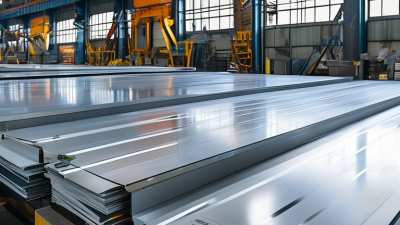
Finding a leading roof soffit panel manufacturer in China requires more than comparing online catalogs. Check the factory’s production floor, not only its showroom. Look for clean cutting equipment, organized raw materials, and visible quality-control records. Experienced manufacturers should explain panel thickness, perforation ratios, coating types, fire performance, and expected service life clearly.
Ask for recent project references in climates similar to yours. Coastal buildings need stronger corrosion resistance, while cold regions require stable performance during temperature changes. Request physical samples with matching colors and surface finishes. Measure the panels yourself. Check edge alignment, locking accuracy, coating consistency, and resistance to bending. A reliable supplier should also provide test reports from recognized laboratories and explain which standards they follow.
Production capacity deserves careful checking. Some factories advertise large output but outsource key processes. Ask who performs forming, coating, packaging, and final inspection. Review packing photos, loading procedures, and replacement policies for damaged panels. Communication matters too. Technical replies should include drawings, tolerances, installation details, and realistic delivery dates. Be cautious when every answer sounds perfect. In my experience, small gaps often appear between samples and mass production. A pre-production approval sample can expose them early. Supplier selection is rarely flawless, and a second factory audit may still be worthwhile.
Main Product Types and Customization Options Available
China Top Roof Soffit Panels Manufacturers? Main Product Types and Customization Options Available
Chinese roof soffit panel suppliers commonly produce aluminum, galvanized steel, PVC, and fiber-cement systems. Aluminum suits coastal projects when coatings and drainage details are specified. PVC is lightweight, economical, and easy to cut on site. Fiber cement offers stronger texture and heat resistance, but its weight needs careful framing review.
Solid panels protect eaves, while perforated and vented panels support airflow. Mixed systems are also available.
Customization usually covers panel width, length, thickness, perforation ratio, surface texture, color, and edge profile. Buyers can request powder coating, PVDF coating, wood-grain finishes, or color matching. Some factories provide concealed clips, starter channels, corner pieces, and inspection panels.
These details matter. A beautiful panel can still fail when expansion gaps, fasteners, or ventilation paths are ignored.
The U.S. Department of Energy states that cool roofs may reduce peak cooling demand by 10–30% in suitable buildings. The International Energy Agency reports that buildings consume about 30% of global final energy.
Soffit selection should support the wider roof assembly, not only appearance.
Experienced sourcing teams should request wind-load data, fire classifications, salt-spray testing, UV-aging results, and installation drawings. Samples help, but they do not replace project-specific testing.
A perfect specification rarely exists. Rechecking local climate, framing tolerance, and maintenance access may expose uncomfortable omissions.
Manufacturing Standards, Quality Control, and Certifications
China Top Roof Soffit Panels Manufacturers?
Reliable roof soffit panels begin with controlled materials, not attractive brochures. Manufacturers should verify aluminum, galvanized steel, PVC, or fiber cement batches before production. Material thickness, coating adhesion, color consistency, and fire behavior need documented testing. For connected Roof Wall Panels , dimensional accuracy also affects flashing, joints, and water drainage.
A capable factory follows a written quality plan at every stage. Operators check cutting dimensions, perforation spacing, edge strength, and surface defects. Samples should be tested for wind resistance, moisture exposure, corrosion, and thermal movement. ISO 9001 certification can indicate a structured management system, but it does not replace product inspection. Ask for current certificates, test methods, and issuing laboratories.
Look beyond the certificate.
Export projects may require CE marking, ASTM-based reports, or other regional approvals. Requirements depend on the destination and building application. Factory audits should review calibration records, worker training, batch traceability, and corrective actions. Photographs of packed panels can reveal crushed corners or weak protection. A small sample order is useful before full production. It may expose shade variation, uneven perforations, or confusing installation instructions. These details are easy to overlook, even in an experienced manufacturing team. Reliable suppliers explain limitations clearly and keep inspection records available.
Conclusion
Roof Soffit Panels are essential components installed beneath roof overhangs to improve ventilation, protect structural areas from moisture and pests, and create a clean, finished appearance. Chinese manufacturers commonly produce them using materials such as aluminum, galvanized steel, PVC, and fiber cement, each offering different advantages in durability, weight, maintenance, fire resistance, and design flexibility. Leading manufacturers can usually be identified through stable production capacity, experienced technical teams, transparent product specifications, and reliable quality management.
When evaluating suppliers, buyers should compare panel types, surface finishes, colors, dimensions, perforation patterns, insulation features, and custom design services. It is also important to review manufacturing standards, inspection procedures, testing reports, and relevant certifications. Price should be assessed together with material quality, tooling costs, packaging, lead times, warranty terms, communication, and export experience. Before placing an order, ask about minimum quantities, sample approval, customization limits, production schedules, shipping support, and after-sales service to ensure the supplier can meet both technical and commercial requirements.