















Furring Channel Type, Size and Applications
When installing gypsum board, ceiling or wall board, the furring channel is responsible for supporting the plate, providing a fixed point, and making a flat installation surface. Steel Furring Channels are often used in residential, commercial and industrial projects, with many cross-sections and sizes, which can adapt to different skeleton practices.
Furring Channel Type
Different Furring Channels are used differently, and the cross-section determines how it is connected and where it is used.
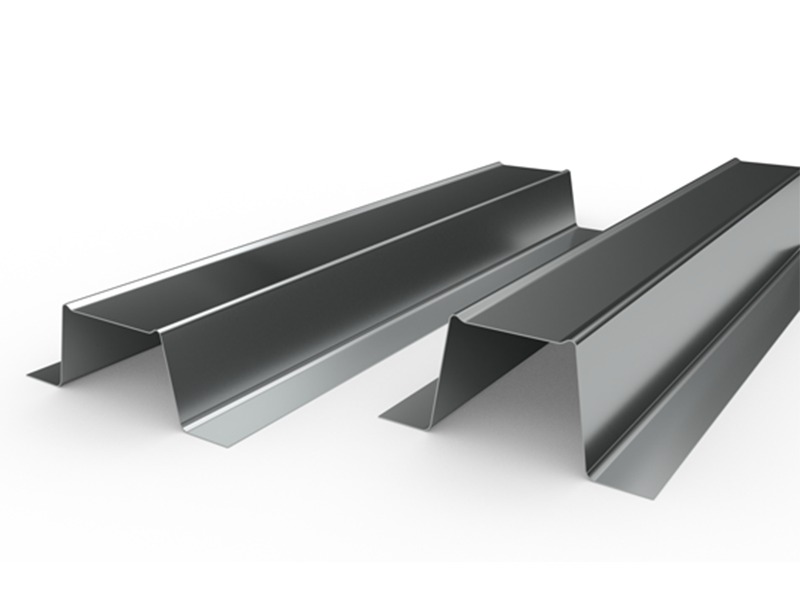
Hat Channel: often used in gypsum board and ceiling. The middle bulge provides a fixed surface for the plate, which is installed on the wall and ceiling with fasteners or supporting connectors.
C Channel: Common in light Steel Furring channel systems, mostly used as wall vertical furring channels or other structural structures, with relatively balanced strength and weight.
U Channel: It is generally installed on the top and bottom of the partition wall. When the track groove is used, it is used to fix the position of the C-shaped vertical furring channel.
T-shaped furring channel (T Channel): used for certain ceiling systems to support ceilings or panels.
L-shaped and F-shaped furring channel: mostly used on the edge, corner and periphery to supplement support and facilitate closing.
V-shaped and Z-shaped furring channel: see the design used in ceilings, walls or insulation structures. For example, the Z shape can leave a distance between the support surface and the final wall decoration layer.
Some cross-sections look similar, but the size and connection method may be much worse. Before choosing, find out what it does in the skeleton and where it is.
Common sizes and specifications
The size of the furring channel is related to the manufacturer, the cross-section shape and local building standards. The depth of hat-shaped furring channels in the U.S. market is commonly 7/8 inches and 1-1/2 inches; lengths of 8 feet, 10 feet and 12 feet are also more common, depending on the product.
Check these items before placing an order:
Cross-section size: the width, depth, edge width and edge of the belly plate determine how the profile is matched with the frame system.
Steel thickness: different thicknesses have different uses. Look at the actual measurement value, not just look at the specification number.
Steel grade: affects the strength and applicable scenarios.
Surface coating: galvanized steel is commonly used indoors; change to other coatings when the risk of corrosion is high.
Length: Choose the right length to cut less and cut less corner material.
Ecosteel Source provides all kinds of furring channel and light steel furring channel products, covering a variety of construction needs. The specific selection depends on the installation conditions, panel weight, support spacing and span, and refer to the manufacturer's technical data and construction specifications.
Applications
Ceiling: supporting gypsum board and other ceiling materials. Some are fixed directly, and some rely on suspended frames and supporting connectors.
Wall lining: installed on concrete or masonry to make a frame for the dry wall, which can also correct the slight unevenness of the wall. According to the design, insulation materials, pipelines, etc. can also be placed behind the lining.
Exterior wall cladding: Some sections are specially designed to support exterior wall panels and coatings. This kind of application should focus on wind load, anti-corrosion, drainage and connection details.
Commercial and industrial buildings: offices, retail spaces, warehouses and other places, metal furring channels are often used in indoor ceilings, wall linings and other finishing projects. The installation method varies from project to project, and the selection is based on the actual purpose, not just the appearance.
The main features of steel furring channel
The steel furring channel is relatively light, and it is convenient to carry and operate at the construction site; the forming cross-section also has the rigidity required to support the finish. The size and specifications of steel are uniform, and it is easy to keep the lines straight and the spacing is uniform, and it is not warped, cracked or deformed due to humidity changes like wood.
Surface protection depends on the environment. Many indoor applications use galvanized steel; other coatings may be needed when the environment is harsher. The furring channel is equipped with fasteners, snaps and supporting components. The installation is usually not troublesome, and planning in advance can reduce cutting and adjustment.
How to choose a furring channel
Let's see where to put it and what to take first. The cross-sections required by the ceiling, masonry wall lining and exterior wall cladding systems are often different. Then check the span, support spacing, steel thickness, grade and coating specifications, and confirm that the furring channel matches the plate, fasteners and connecting accessories. For outdoor applications or load-sensitive projects, according to the engineering technical requirements, don't just look at the general size guide.