


Zinc-Aluminum-Magnesium Steel – Durable Protection for Tough Environments
Zinc-Aluminum-Magnesium coated steel – often called ZAM or Z-A-M steel – is a hot-dip metallic coating product that offers significantly better corrosion resistance than traditional Galvanized Steel. It has become a go-to choice for projects where moisture, salt, or industrial exposure would quickly degrade standard coatings.
What Makes Up the Coating?
The steel substrate is coated with a zinc-based alloy that also contains aluminum and magnesium. The exact mix varies by manufacturer, but zinc remains the dominant element, with aluminum and magnesium added in smaller percentages to boost performance.
Each metal plays a specific role:
Zinc provides the classic sacrificial protection.
Aluminum improves coating stability and adhesion.
Magnesium helps form a dense, self-healing surface layer that slows corrosion from taking hold.
Together, they create a protective system that holds up particularly well in high-humidity, chloride-rich, or polluted environments.
How Does It Compare to Regular Galvanized Steel?
Standard Galvanized Steel relies solely on a zinc layer. It’s cost-effective and works fine for many general-purpose uses. ZAM, however, goes a step further. The aluminium and magnesium additions give the coating better long-term stability, and crucially, they improve edge protection.
When you cut, punch, or profile ZAM steel, the exposed edges remain vulnerable in theory – but under suitable conditions, the coating forms magnesium- and zinc-based corrosion products around those cut areas. These products create a dense barrier that significantly slows edge creep. That’s a clear advantage over ordinary Galvanized Steel, which offers little to no self-healing at cut edges.
Of course, actual performance depends on coating composition, weight, fabrication method, and the real service environment – so it's not a one-size-fits-all solution, but for the right applications, the difference is tangible.
Key Benefits at a Glance
Superior corrosion resistance – especially in coastal, agricultural, and industrial settings.
Better cut-edge protection – the coating's self-healing ability reduces rust propagation from sheared or punched edges.
Good formability – ZAM can be bent, stamped, roll-formed, and cut without losing its protective qualities, provided the grade and coating are matched to the process.
Longer life, lower maintenance – while the upfront cost is typically higher than Galvanized Steel, the reduced need for repairs and replacements often makes it more economical over the full service life of a structure.
Available Specifications
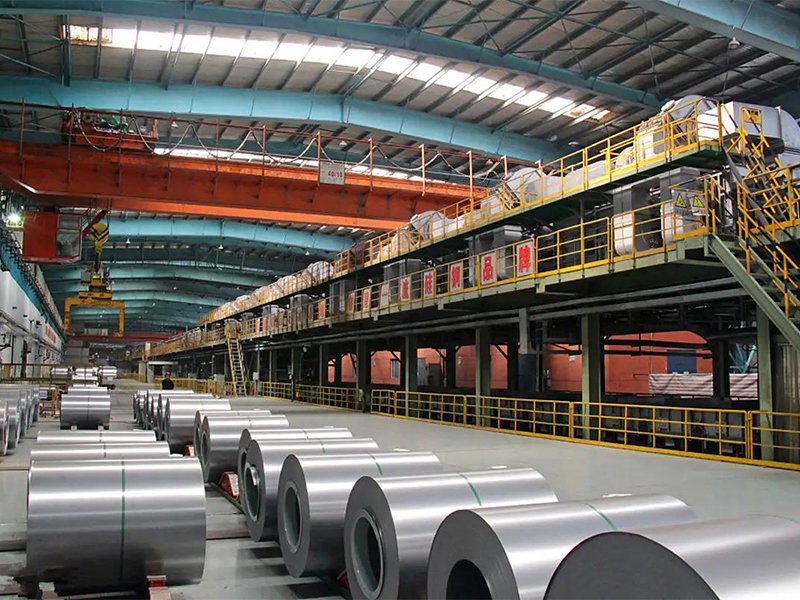
At Ecosteel Source, we supply ZAM steel in coil and sheet form, with thicknesses ranging from 0.3 mm to 6.0 mm and widths tailored to project needs. We also offer custom slitting, cutting, and leveling services to save you secondary processing time.
Typical Applications
Thanks to its durability and formability, ZAM is widely used in:
Solar mounting structures
Agricultural sheds and greenhouses
Outdoor electrical cabinets
Highway barriers and roadside infrastructure
Industrial fencing and storage facilities
Coastal steel structures and warehouses
It is especially suitable wherever standard galvanized steel would require frequent maintenance or early replacement.
Choosing the Right ZAM Product
Selecting the right ZAM steel isn't just about picking a zinc-aluminum-magnesium coating. You need to consider substrate grade, thickness, coating weight, the types of forming operations involved, and the specific exposure conditions. An indoor warehouse project has very different needs from a solar farm near the coast.
That's why working with a supplier who can recommend the right specification – and provide processing options – makes all the difference.
Final Thoughts
Zinc-Aluminum-Magnesium coated steel offers a practical, high-performance alternative for projects that demand longer service life and reliable corrosion protection. With strong edge protection, good workability, and proven performance in harsh conditions, it has earned its place as a valuable material in modern construction and industrial fabrication.