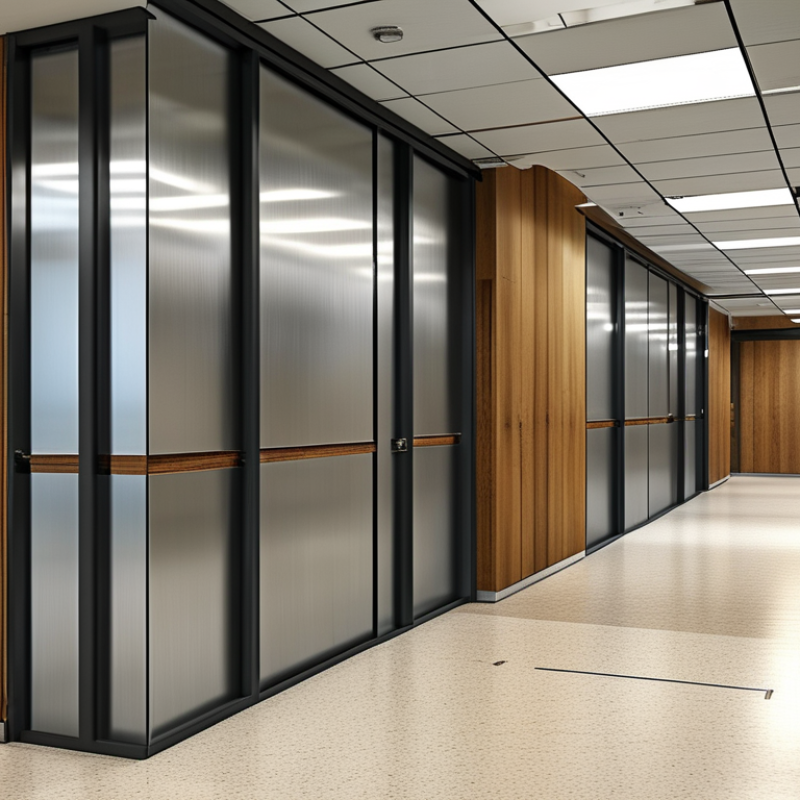
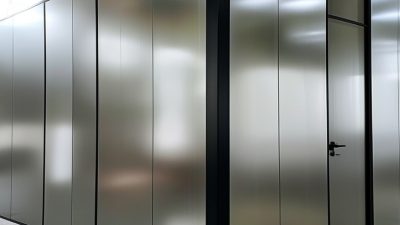
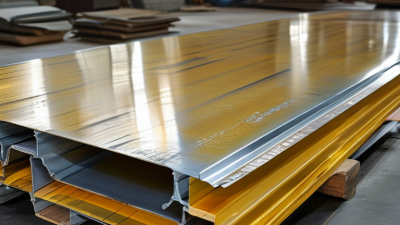
Picking out a Metal Sheet Partition Wall supplier isn’t something to take lightly. It can really impact safety, how long things last, how quickly everything gets put together, and even the ongoing maintenance down the line. Sometimes, the lowest quote might hide issues like thin steel, unclear coatings, poor soundproofing, or lack of proper technical support. So, a smart choice isn’t just about looking at pretty photos or tempting prices—it's about asking for real proof.
Elaine Porter, a seasoned partition-systems consultant with over fifteen years working in commercial interiors, puts it simply: “A good supplier shows you proof of performance before throwing out a tempting price.” Her advice is pretty straightforward but super valuable. Be sure to ask about material grades, sheet thickness, corrosion protection, fire-test results, acoustic data, and tolerances during installation. Also, don’t forget to check for project references similar to your own building. For example, what works for a hospital corridor might not be suitable for a warehouse office.
And, honestly, pay attention to those little details.
A reliable supplier should be able to clearly explain things like how joints are sealed, corner protections, door fittings, ceiling connections, and how they handle replacements. Companies like Northbridge Interior Systems should also provide clear shop drawings, realistic timelines, packaging info, and warranty details. Make sure the quoted price covers everything—from delivery and accessories to testing and installation support. Forgetting about these extras can really hit your budget later.
Experience counts with these projects, too. If you can, visit a finished site to see things firsthand. Check out for scratched surfaces, uneven seams, loose trims, and tricky access points—that’s often where quality slips. But be aware—no supplier is perfect. Sometimes, delays happen, designs evolve, or subcontractors don’t quite meet expectations, and being upfront about that makes a difference.
Ultimately, your best bet is a supplier that combines proven performance, good communication, solid manufacturing capacity, and a good value over the long haul. Taking the time to compare options might feel like a pain, but it’ll save you headaches and surprises once the Metal Sheet Partition Wall is actually on site.
How to Choose a Metal Sheet Partition Wall Supplier?
Define Your Metal Sheet Partition Wall Requirements
Before comparing suppliers, define what the partition must do. Record room length, height, opening sizes, and exact panel thickness. Measure twice; walls are rarely perfectly square.
Specify whether the wall separates offices, machinery, storage, or clean areas. Each setting changes the required surface, impact resistance, insulation, and maintenance routine. Note the temperature, humidity, wash-down exposure, and nearby chemicals. A dry office needs less protection than a damp production room. Also identify services crossing the wall. Cable trays, ducts, windows, and doors need planned openings. Improvised cutting can weaken panels and spoil the finish.
Set performance targets before requesting quotes. Ask for tested fire behavior, acoustic ratings, structural capacity, corrosion resistance, and dimensional tolerances. Requirements should match local building regulations and the site’s risk assessment. Avoid vague terms such as “heavy duty” without test evidence or clear specifications. Choose suitable coatings for the environment, not simply the lowest price. A scratched finish may become a maintenance problem.
Prepare a written schedule with drawings, quantities, finishes, joints, doors, and installation conditions. Request material certificates, installation instructions, warranty terms, and replacement procedures. Ask for a physical sample; colors and textures can change under factory lighting. Check how corners, penetrations, and panel joints are sealed. Leave room for correction. Floor levels or site dimensions may change before fabrication. Recheck critical measurements, even when the drawing looks complete.
Choosing a Metal Sheet Partition Wall supplier starts withmaterial evidence, not attractive samples. Ask for steel grade, thickness, coating type, recycled content, and corrosion testing. The 2024 World Steel in Figures report recorded 1.89 billion tonnes of crude steel production in 2023, showing the material’s industrial scale. However, scale does not guarantee consistent quality. Request batch certificates and inspect panel edges for burrs, waviness, or weak bends.
Design comparison should include more than color. Check Sheet Metal Wall Panels for acoustic backing, fire-rated assemblies, access panels, and concealed fixing options. A supplier should provide tested sound and fire performance, not only marketing values.
The 2024 Global Status Report for Buildings and Construction states that buildings consume 32% of global energy and create 34% of global carbon emissions. Therefore, compare insulation compatibility, panel weight, durability, and replacement methods. Small design choices affect transport and maintenance.
Manufacturing capability is visible in the details. Review laser-cut accuracy, roll-forming tolerances, welding quality, powder-coating control, and sample approval procedures. Ask for inspection records and a pilot panel before approving mass production. A supplier with digital drawings and traceable quality checks reduces installation surprises.
Still, perfection is unlikely. I would leave room for site adjustments, because walls, floors, and drawings rarely align completely. Beware of suppliers promising every finish and tolerance without showing production evidence.
Source: World Steel Association, World Steel in Figures 2024; United Nations Environment Programme, Global Status Report for Buildings and Construction 2024.
When choosing a Metal Sheet Partition Wall supplier, verify more than surface appearance. Ask for the exact product specification, material grade, coating thickness, and dimensional tolerances.Metal Sheet Wall Panels should arrive with traceable batch records and independent test reports. A polished sample can hide weak joints, uneven gauges, or poor corrosion protection. Check several panels, including corners and connection points.
Fire performance deserves careful attention. NFPA’s Fire Loss in the United States During 2023 reported approximately 1.5 million fires and 32.1 billion dollars in property damage. Therefore, request fire-test evidence that matches your intended wall assembly. Depending on the market, relevant references may include ASTM E84, ASTM E119, or EN 13501-1. Test the complete system, not only the metal facing. Core material, sealants, fasteners, and installation can change the result.
Certifications also need verification. ISO’s 2023 Survey recorded more than 1.26 million ISO 9001 certificates worldwide, but quality-system certification alone does not prove every panel is reliable. Ask whether the certificate covers the actual factory and product scope. Confirm its issuing body, validity, test date, and certification number. A practical audit should inspect storage conditions, protective film, edge damage, and moisture exposure. Do not rely on paperwork alone. One overlooked detail can become a costly repair. Suppliers should welcome reasonable questions, although some documents may still require independent confirmation.
Recommended evaluation weighting for product quality, safety standards, and certification evidence.
Prioritize documented fire performance, material specifications, acoustic test results, and structural safety. Check relevant evidence such as EN 13501-1, ASTM E84, ISO 10140, declared material thickness, load data, and a valid ISO 9001 quality-management certificate. The percentages are a practical purchasing framework, not a supplier ranking.
Choosing a Metal Sheet Compound Wall supplier requires more than comparing panel prices. Customization should begin with the building’s exposure, height, drainage, and maintenance needs. Ask for options in sheet gauge, panel width, insulation core, coating, color, joints, doors, and service openings. A reliable supplier should provide shop drawings, load calculations, connection details, and a physical sample. Small details matter. A two-millimeter joint error can become visible across a long boundary.
Technical support often separates a capable supplier from a reseller. Request CAD or BIM files, installation sequences, torque requirements, and corrosion-control instructions. Check whether engineers review unusual corners, sloping ground, wind zones, and interfaces with concrete or steel. The 2024 Global Status Report for Buildings and Construction states that buildings consume 32% of global energy and produce 34% of global emissions. This supports choosing durable coatings, efficient insulation, and repairable assemblies. Yet, energy performance claims should include test conditions. Marketing figures alone are weak evidence.
Tips: Ask for coating test results, fire classifications, acoustic data, and references from similar climates. Confirm who answers technical questions after delivery. I still distrust perfect proposals; real projects need revisions. A useful supplier admits limitations, records changes, and explains risks before fabrication. Compare the warranty exclusions carefully. They often reveal more than the headline warranty period.
| Evaluation Dimension | Recommended Requirement | Practical Verification Method | Suggested Weight | Why It Matters |
|---|---|---|---|---|
| Panel Material | Steel sheet, aluminum sheet, or another specified metal grade with documented thickness and surface treatment. | Request material certificates, thickness records, coating specifications, and representative samples. | 10% | Material selection affects durability, weight, corrosion resistance, acoustic performance, and project compliance. |
| Available Thickness | Common metal sheet thicknesses typically range from approximately 0.5 mm to 1.5 mm, depending on the system design. | Compare the quoted thickness with the approved drawings and verify measurements on production samples. | 8% | Thickness influences panel rigidity, impact resistance, weight, and installation requirements. |
| Dimensional Customization | Capability to produce project-specific panel heights, widths, openings, edge details, and connection locations. | Review shop drawings, tolerance limits, sample dimensions, and the supplier’s change-control process. | 12% | Accurate customization reduces site cutting, rework, material waste, and coordination problems. |
| Surface Finish | Options may include powder coating, paint systems, galvanized surfaces, brushed finishes, or other specified treatments. | Check finish samples, color references, coating thickness data, adhesion results, and cleaning instructions. | 8% | Surface treatment affects appearance, maintenance, scratch resistance, and protection against corrosion. |
| Fire Performance | Fire-rated performance should be stated for the complete partition assembly rather than for the metal sheet alone. | Request applicable fire-test reports or classification documents for the exact panel, core, joint, and framing configuration. | 12% | Fire performance depends on the whole tested assembly, including joints, penetrations, seals, and supporting components. |
| Acoustic Performance | Sound insulation should be specified using a tested rating suitable for the intended room and partition configuration. | Ask for laboratory test results and confirm that the tested construction matches the proposed wall system. | 10% | Acoustic results can change significantly with panel joints, cavities, insulation, doors, and service penetrations. |
| Structural and Impact Support | Defined load limits, fixing methods, reinforcement options, and allowable deflection for the intended application. | Review engineering calculations, fixing details, load tables, and reinforcement recommendations. | 10% | Technical validation helps prevent panel movement, joint failure, and damage from equipment or daily use. |
| Connection and Accessory Compatibility | Compatible tracks, studs, trims, doors, glazing frames, skirting, corner profiles, and service-access components. | Request a complete system schedule and verify interfaces with floors, ceilings, adjacent walls, and building services. | 8% | Well-coordinated accessories improve installation speed and reduce gaps or incompatible components. |
| Technical Drawing Support | Production of coordinated shop drawings, installation details, section views, and revision-controlled documentation. | Evaluate a sample drawing package for clarity, tolerances, fixing details, and revision tracking. | 10% | Clear technical documents help contractors install the system correctly and resolve design conflicts earlier. |
| Sample and Prototype Process | Ability to provide material samples, color samples, connection samples, or a project-specific mock-up before mass production. | Confirm sample lead time, approval records, permitted deviations, and whether approved samples are retained as references. | 6% | Pre-production approval reduces the risk of receiving products that differ from the design intent. |
| Quality Control | Documented inspection of dimensions, coating, appearance, packaging, accessories, and final quantities. | Request inspection checklists, nonconformance procedures, batch records, and pre-shipment inspection options. | 8% | Consistent quality control improves delivery accuracy and limits installation delays caused by defects. |
| Lead Time and Production Planning | Written schedule covering drawing approval, sample approval, production, inspection, packing, and dispatch. | Compare the proposed schedule with project milestones and ask how material shortages or design changes are handled. | 8% | Metal partition systems often require coordinated production; delays can affect several downstream trades. |
| Packaging and Delivery Protection | Moisture protection, edge protection, item identification, packing lists, and handling instructions suitable for the route. | Review packaging specifications and inspect a trial package or previous shipment photographs. | 4% | Proper packaging reduces dents, scratches, corrosion, missing parts, and unloading errors. |
| Installation and After-Sales Support | Installation manuals, site guidance, response procedures, replacement-part support, and warranty terms. | Ask for support response times, escalation contacts, warranty exclusions, and examples of technical issue resolution. | 4% | Responsive support is especially valuable when site conditions differ from the original drawings. |
When choosing a metal sheet partition wall supplier, compare the complete installed cost, not only the panel price. Request separate figures for sheets, framing, insulation, fasteners, freight, taxes, and installation labor. A low quote can hide costly exclusions. The 2024 AIA Consensus Construction Forecast projected continued growth in nonresidential construction spending, which may increase demand for qualified installers. Ask whether pricing remains valid for 30, 60, or 90 days. That detail matters.
Lead time should be written as a schedule, not a promise. Confirm drawing approval dates, production duration, dispatch date, port or carrier arrangements, and delivery to each floor. The 2024 AGC Workforce Survey found that 94% of construction firms struggled to fill craft positions. Installation capacity may therefore be more limited than material availability. Ask for crew size, daily output, safety training, and a recovery plan for delays. Delivery also needs practical checks: packaging for corners, weather protection, unloading equipment, and damage inspection procedures. A perfect schedule may still fail. Review the assumptions behind it.
The supplier should provide shop drawings, fire-rating documentation, acoustic test results, and a clear warranty. Require a sample installation before full production, especially where doors, services, and uneven slabs meet. Dodge Construction Network’s 2024 Construction Outlook projected a 4% rise in total construction starts, suggesting that busy suppliers deserve early evaluation. Compare references, not just testimonials. A cheaper offer may become expensive after rework, storage, or missed handover dates.
A metal sheet partition wall supplier should be judged beyond price and finish samples. Reputation is visible in completed projects, not polished promises. Ask for references from facilities with similar traffic, humidity, and cleaning routines. Visit one if possible. Check whether joints remain straight, coatings resist scratches, and replacement panels match the original Sheet Metal Wall Covering. Small details reveal experience.
Independent data Independent data can guide this review. The ISO Survey 2023 recorded more than 1.2 million ISO 9001 certificates worldwide, showing how widely quality systems are used. However, certification alone does not prove reliable installation. Request inspection records, material traceability, and documented corrective actions. Construction Industry Institute research has often linked rework with about 5% of total project cost. A weak supplier can therefore become expensive after installation.
Warranty and support Warranty language deserves careful reading. Confirm coverage for corrosion, coating failure, panel distortion, hardware, and labor. Ask who pays for removal and access equipment. A useful warranty states response times, evidence requirements, exclusions, and local service contacts. After-sales support should include spare panels, drawings, cleaning guidance, and technician availability. Call the service number before signing. Test it.
I would also ask for a mock-up under real lighting. Samples can hide uneven seams. My judgment may be incomplete, especially when long-term climate data is limited. Still, a supplier willing to discuss failures openly is usually more credible than one promising perfection.
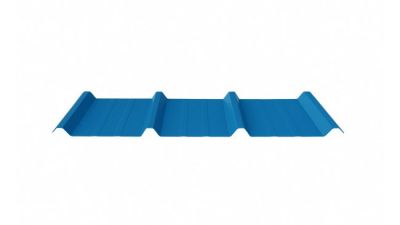
Pre-painted corrugated steel sheet combines the strength of galvanized steel with a durable, factory-applied coating. Its corrugated profile improves rigidity while keeping the material relatively lightweight, making it suitable for roofs, wall cladding, warehouses, workshops, agricultural buildings, garages, and temporary structures. The pre-finished surface offers resistance to weather, moisture, ultraviolet exposure, and everyday wear, while a wide selection of colors and coating finishes allows the building exterior to match its surrounding design.
When selecting a sheet, consider the base metal thickness, corrugation profile, coating type, corrosion-resistance requirements, and local climate. Thicker sheets are generally preferred for areas exposed to strong wind, heavy rain, or frequent impact. The sheet length should be planned to reduce unnecessary joints, and the color and finish should be chosen according to appearance, heat absorption, and maintenance needs. Compatibility with flashing, fasteners, insulation, and supporting purlins is also important for a reliable assembly.
During installation, the supporting structure should be level, properly spaced, and free from sharp projections. Sheets should be aligned carefully, installed with the recommended side and end overlaps, and secured using corrosion-resistant fasteners fitted with sealing washers. Pre-drilling can help prevent coating damage, while cut edges should be cleaned and protected with a suitable touch-up coating. Avoid dragging sheets across one another, and remove metal filings after fastening to prevent surface staining and premature corrosion.
Ask about sheet gauge, panel width, insulation core, coating, color, joints, doors, and service openings. Small details matter.
The supplier should review wall height, wind exposure, drainage, slopes, corners, and maintenance access. Uneven ground needs careful detailing.
Request shop drawings, load calculations, connection details, CAD or BIM files, and installation sequences. A physical sample helps.
Ask for coating tests, fire classifications, acoustic data, and insulation results with clear test conditions. Marketing numbers can mislead.
Compare sheets, framing, insulation, fasteners, freight, taxes, installation labor, storage, and possible rework. A low quote may hide exclusions.
Require dates for drawing approval, production, dispatch, transport, and delivery to each floor. Schedules slip. Review every assumption.
Confirm crew size, daily output, safety training, unloading equipment, and a recovery plan for delays. Installation capacity may be limited.
It can reveal problems where doors, services, concrete slabs, and wall joints meet. Small errors spread.
Read exclusions, maintenance duties, coating limits, repair procedures, and response responsibilities after delivery. The exclusions may matter more.
Check similar climate references and ask who answers technical questions after delivery. I distrust perfect proposals. Good suppliers admit limitations and record changes.
Choosing the right Metal Sheet Partition Wall supplier begins with clearly defining your project requirements, including dimensions, layout, appearance, durability, fire resistance, acoustic performance, and intended use. Compare suppliers based on their material quality, design range, production equipment, and ability to manufacture products that meet your specific technical needs. It is also important to verify quality control procedures, safety standards, testing reports, and relevant certifications before making a decision.
A reliable supplier should offer practical customization options, accurate technical guidance, responsive communication, and professional support throughout the project. Carefully review quotations, production lead times, delivery arrangements, and installation services to avoid unexpected delays or costs. Finally, assess the supplier’s industry reputation, warranty terms, product lifespan, and after-sales service. A supplier that combines consistent quality, transparent pricing, dependable delivery, and long-term support can help ensure that your partition wall system performs effectively and provides lasting value.