Buying Galvalume Metal Panels online might seem straightforward at first – just pick your panels, right? But then you dig into specifications, shipping details, and whether they’ll actually fit your project, and things get a bit more complicated. Honestly, product photos don’t tell the whole story. A panel might look identical to another, but there could be differences in thickness, coating quality, profile, or usable coverage. And those little details really do matter.
The American Iron and Steel Institute points out that ASTM A792/A792M is the standard for steel sheets with a 55% aluminum-zinc coating. The Building and Construction Authority also reminds us that how the coating performs really depends on things like exposure conditions, how well it's installed, and how you maintain it. All these references are super helpful for understanding the technical side, but they don’t replace the need to carefully verify the actual product. Even folks who do this all the time can sometimes miss a critical detail tucked away in the specs.
So, in this guide, I’ll share seven practical tips for evaluating online suppliers. We’ll cover things like panel size, substrate thickness, coating types, finishes, warranties, and shipping details. Always double-check if the listing specifies the actual width — not just the nominal width. Make sure you confirm cut lengths, minimum order quantities, edge treatments, and how the packaging protects your panels during transit. Don’t hesitate to ask for a written technical datasheet, and if possible, request a sample in natural light. This last bit might seem like overkill, but it can save you from a costly mistake later on.
Industry reports from the World Steel Association show just how big and complex the steel industry really is, but the truth is, quality still depends on the specific product and who is making it. A reliable supplier should be able to clearly explain testing procedures, compliance, lead times, and any return policies. The process isn’t perfect, of course. That’s why asking smart questions, making comparison checklists, and setting realistic expectations can make your online buying experience much safer and more professional.
Define Your Project’s Galvalume Panel Requirements
Define Your Project’s Galvalume Panel Requirements
Before buying Galvalume Panels online, measure the roof or wall area carefully. Record length, width, pitch, panel profile, and required coverage. A small mistake in width can create expensive waste. I have seen orders fail because buyers measured the building, not the panel’s effective coverage.
Specify the steel thickness, coating designation, finish, and color tolerance.
ASTM A792/A792M covers aluminum-zinc alloy-coated steel sheet, commonly called Galvalume. The coating typically contains about 55% aluminum, 43.4% zinc, and 1.6% silicon by weight. The U.S. Geological Survey’s Mineral Commodity Summaries reports that galvanizing consumes roughly half of global zinc use, showing how important coating specifications are to steel protection. Ask the seller for the product data sheet, coating weight, yield strength, and warranty terms.
Your environment matters more than the product photograph.
Coastal air, livestock buildings, standing water, and chemical fumes can change the suitable specification. Confirm whether the panels need exposed-fastener or concealed-fastener installation. Match fasteners, closures, sealants, and underlayment to the panel system. Do not assume every “metal roofing screw” is compatible. ASTM documents help, but they do not replace local engineering advice. I would also request a physical sample; online colors can look noticeably different under warehouse lighting. That extra check feels slow, yet it prevents a disappointing order.
Compare Galvalume Coatings, Gauges, Profiles, and Finishes
When comparing Galvalume Metal Roof Panels online, start with the coating, not the lowest price. Galvalume usually combines aluminum, zinc, and silicon for corrosion resistance. Ask for the coating class, tested performance, and warranty terms. A bright surface can look impressive, but appearance does not prove durability. Check whether the panels suit coastal air, heavy rain, or dry inland conditions.
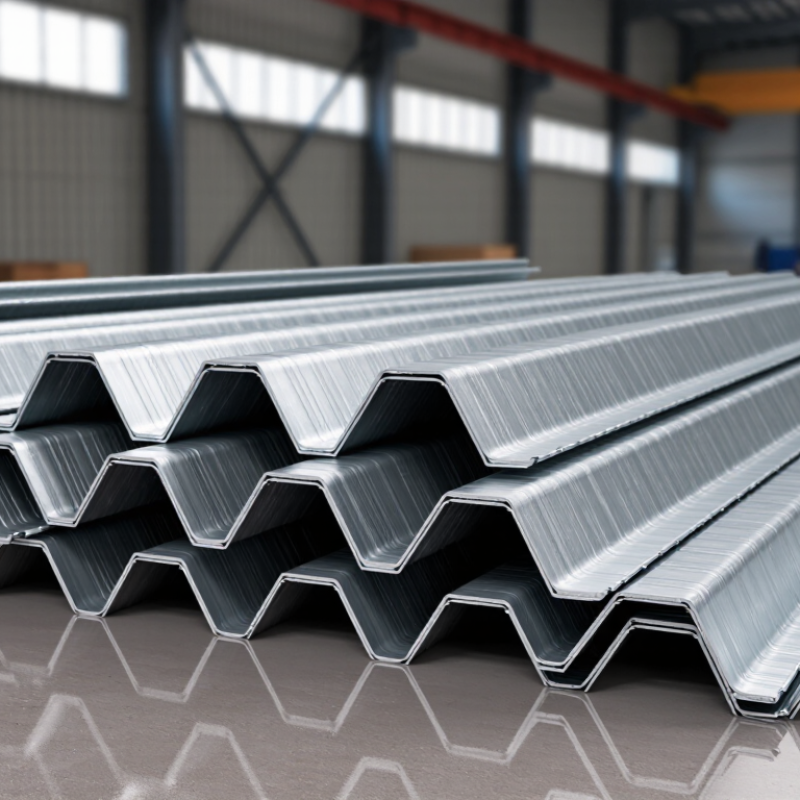
Gauge affects strength, handling, and cost. Thicker steel generally resists dents better, especially during installation. However, a heavier panel may require stronger framing and more careful delivery planning. Compare the actual steel thickness, not only labels such as “heavy duty.” Profile depth also matters. A deeper rib can improve stiffness and water drainage, while a shallow profile may fit smaller structures. Confirm the panel width, coverage width, sidelap, and fastener requirements before ordering.
Finish choices deserve equal attention. Smooth finishes show scratches easily, while textured or matte finishes can hide minor marks. Color can also change heat absorption, though local climate and insulation matter more than color alone. Request physical samples when possible. Screens distort shades. I once trusted an online image and misjudged the color by a wide margin. That mistake was avoidable. Read installation instructions, verify cut lengths, and inspect customer-service responses before payment. Clear technical documents often reveal more than polished product photos.
Evaluate Online Supplier Quality, Credentials, and Product Details
Buying Galvalume Panels online requires more than comparing prices.
Check whether the supplier identifies the steel grade, coating designation, thickness, width, length, and finish.
ASTM A792/A792M covers aluminum-zinc alloy-coated steel sheet, commonly specified for Galvalume products.
Ask for a current mill test report. It should match the advertised batch.
Look for measurable evidence.
A typical coating contains about 55% aluminum, 43.4% zinc, and 1.6% silicon by weight.
Request confirmation from the supplier. Do not rely on a product photograph.
The U.S. Geological Survey reported global zinc mine production near 13.5 million metric tons in 2023, showing a large but variable raw-material market. Supply conditions can affect coating consistency and lead times.
Credentials matter.
Review the company’s business registration, quality certifications, return policy, and documented inspection process.
ISO 9001 certification can indicate a controlled quality system, but it does not guarantee every panel is defect-free.
Ask how coils are stored. Outdoor exposure, wet packaging, and trapped moisture can create surface staining before installation.
I would also verify whether cut edges receive protection. Small omissions become expensive later.
One practical weakness remains: online listings often simplify technical data too aggressively.
Compare the specification sheet with the invoice, then request written confirmation before payment. Keep those records.
Verify Panel Dimensions, Quantities, and Compatibility
Online pricing can hide costly measurement errors. Measure existing ribs, not the old invoice. Record panel length, coverage width, profile depth, and overlap direction. Measure twice. Nominal width is not coverage width.
Calculate quantity by coverage, not panel count. Include waste for cuts, valleys, eaves, and damaged pieces. The National Roofing Contractors Association commonly recommends planning for extra material, but complex roofs may require more than standard allowances. Ask the seller for exact panel lengths, bundled quantities, and cutting tolerances. A neat spreadsheet is not proof. Roofs are rarely perfect.
Check profile compatibility before payment. Compare rib spacing, seam height, sidelap, endlap, clips, underlayment, and fastener type. A panel can look correct and still fail to lock. Confirm the steel substrate, thickness, and coating designation under ASTM A792/A792M. That standard evaluates aluminum-zinc-coated steel by defined coating and mechanical requirements, not appearance alone. Verify wind and snow requirements against ASCE 7-22 for the project location. World Steel Association’s World Steel in Figures 2024 reported 1,888.2 million tonnes of crude steel production in 2023, yet broad supply does not guarantee a compatible profile. Save the product drawing, quotation, and written compatibility confirmation. Then compare every delivered bundle with those records.
Review Pricing, Shipping Terms, and Delivery Protection
Tip 1: Compare the complete price, not only the panel rate. When I reviewed Galvalume Wall Panels online, one low quote excluded trim, fasteners, taxes, and freight. Ask whether pricing uses square feet, linear feet, or individual panels. Measure twice. A small calculation error can create an expensive second order. Request a written quote showing thickness, finish, quantity, and every added charge.
Tip 2: Examine shipping terms before paying. Freight is not free. Check the estimated dispatch date, transit time, delivery method, and residential surcharges. Some sellers provide curbside delivery, while others require a forklift or unloading crew. Confirm whether panels arrive bundled, and ask how weather delays are handled. I once trusted an estimated date too much; my project schedule became unnecessarily tight.
Tip 3: Verify delivery protection in practical detail. Read the damage-claim deadline and inspect each bundle before signing. Photograph crushed corners, torn wrapping, moisture marks, and missing pieces immediately. Write visible damage on the delivery receipt. Ask whether replacement panels, return freight, or refunds are covered. Protection may sound comprehensive, yet exclusions can be surprisingly narrow. Keep invoices, emails, photos, and tracking records together until installation is complete.
Check Samples, Warranties, Returns, and Damage Policies
When buying Galvalume Roofing Panels online, request a physical sample before placing a large order. Screen color can mislead you. Hold the sample beside your home in morning and afternoon light. Check the rib height, underside coating, edges, and actual thickness. ASTM A792/A792M specifies a coating made with approximately 55% aluminum, 43.4% zinc, and 1.6% silicon. Ask the seller for the coating designation and test documentation. A product photo proves very little.
Read the warranty line by line. The Metal Construction Association’s technical guidance links Galvalume performance to proper installation, drainage, cutting, and compatible fasteners. A long warranty cannot repair poor detailing. Confirm whether it covers paint fade, perforation, chalking, shipping damage, or only manufacturing defects. Ask how claims are measured and who pays inspection costs. Get answers in writing.
Returns deserve equal attention. Check the deadline, restocking fee, minimum order rules, and whether cut panels become non-returnable. Photograph every bundle before opening it. Industry freight guidance commonly recommends noting dents, bent corners, wet packaging, and missing pieces on the delivery receipt. Do not accept “minor damage” without measuring it. Some sellers offer replacement panels, not refunds. That difference matters. I once overlooked packaging details; the panels arrived usable, but several edges were scratched. My mistake. Ask for the carrier procedure before checkout.
7 Tips for Buying Galvalume Metal Panels Online
This priority chart highlights the most important checks to complete before placing an online order. Confirm panel samples, specifications, warranty terms, return conditions, shipping damage procedures, delivery costs, and order measurements in writing.
Place and Inspect Your Galvalume Panel Order Carefully
When buying Galvalume Metal Panels online, place the order with measured details, not assumptions. Confirm panel length, coverage width, thickness, profile, finish, and required quantity. Ask whether dimensions are actual or nominal. That small difference can affect roof alignment and material waste. Request a written order confirmation before payment. Keep the product description, drawings, and delivery estimate together.
Inspect the shipment before signing for delivery. Look for crushed corners, bent ribs, wet packaging, and exposed steel edges. Photograph the pallet from several angles. Then open several panels, not only the top one. Check the coating for deep scratches, flaking, or unusual stains. A ruler, tape measure, and digital caliper can verify size and thickness. Compare the delivered panels with your confirmation sheet. Do not rely on memory.
Count the panels carefully. Check trims, fasteners, and accessories separately. If damage appears, record it on the delivery receipt and contact the seller promptly. Keep clear photographs and packaging labels. I once treated a minor edge bend as harmless; it later caused an uneven overlap. That was avoidable. Store panels off the ground, covered, and ventilated until installation. Condensation can mark the coating. My process is not perfect, but written records prevent most ordering disputes.
Galvalume Steel Sheets: Market Insights from World Steel Association and CRU Reports
World Steel Association statistics show that global crude steel production remained close to 1.84 billion tonnes in 2024, confirming the scale and strategic importance of the steel value chain. Within this broad market, Galvalume Steel Sheets address the growing demand for longer-lasting, lower-maintenance materials in roofing, wall cladding, agricultural buildings, and industrial facilities. CRU market assessments identify construction and building-envelope applications as major drivers of coated-steel consumption, particularly where durability, energy performance, and lifecycle cost are important purchasing criteria.
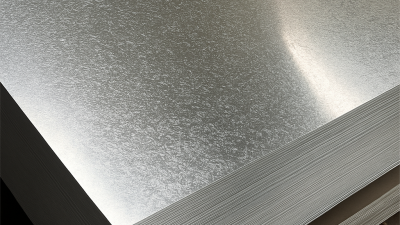
Galvalume sheets use an alloy coating of approximately 55% aluminum, 43.5% zinc, and 1.6% silicon. This structure combines aluminum’s resistance to atmospheric corrosion with zinc’s electrochemical protection, allowing the coating to continue shielding the base steel even after minor surface damage. With solar reflectance of up to 80%, the material can also help reduce heat absorption in suitable building designs. Its dense protective layer, sleek spangle appearance, and extended service life make it a practical choice for projects seeking dependable performance without frequent repainting or replacement. As sustainability and whole-life cost analysis gain influence in procurement decisions, these properties strengthen Galvalume’s position in demanding coated-steel applications.
FAQS
Measure the roof or wall length, width, pitch, and panel profile. Record the required coverage width. Measure twice. The panel’s effective coverage matters more than the building width alone.
Confirm steel thickness, coating designation, finish, color tolerance, and yield strength. Request the product data sheet and warranty terms. Do not rely on “heavy duty” labels alone. Actual thickness matters.
Coastal air, livestock buildings, standing water, and chemical fumes can affect performance. Discuss these conditions before choosing a specification. A panel suitable inland may need different protection near salt air.
Compare panel width, effective coverage, sidelap, profile depth, and fastener requirements. Deeper ribs can improve stiffness and water drainage. Shallow profiles may suit smaller structures. Small details matter.
Smooth finishes can show scratches easily. Textured or matte finishes may hide minor marks. Color can influence heat absorption, but insulation and climate also matter. Screens distort shades. Request a physical sample before ordering.
Match fasteners, closures, sealants, and underlayment to the chosen panels. Exposed-fastener and concealed-fastener systems require different installation details. Do not assume every metal roofing screw fits.
Compare the complete cost, including trims, fasteners, taxes, and freight. Check whether prices use square feet, linear feet, or individual panels. Ask for a written quote showing thickness, finish, quantity, and added charges. Freight is separate.
Confirm dispatch dates, transit time, delivery method, and residential surcharges. Ask whether unloading requires a forklift or crew. Check whether panels arrive bundled and how weather delays are handled. Estimated dates are not guarantees.
Inspect every bundle before signing the delivery receipt. Photograph crushed corners, torn wrapping, moisture marks, and missing pieces immediately. Record visible damage on the receipt. Check the claim deadline and coverage for replacements, returns, or refunds.
Buyers sometimes measure the building instead of the panel’s effective coverage. I have made assumptions from online photographs and regretted them. Technical documents deserve more trust than polished images. That lesson remains unfinished.
Conclusion
Buying Galvalume Metal Panels online requires careful planning and comparison. Start by defining your project’s needs, including panel dimensions, coverage area, installation method, climate exposure, and desired appearance. Compare coating options, metal gauges, panel profiles, and finishes to ensure the material matches your performance and design expectations. When reviewing suppliers, look for clear product descriptions, accurate specifications, reliable customer support, and evidence of consistent quality. Confirm measurements, quantities, fastening requirements, and compatibility with your existing structure before placing an order.
Cost is important, but shipping terms and delivery protection can greatly affect the final value. Review freight charges, estimated delivery dates, packaging standards, and procedures for reporting transit damage. If available, request samples to evaluate color, texture, and coating quality. Carefully read warranty coverage, return conditions, and replacement policies. Finally, inspect the shipment promptly upon arrival, checking for dents, scratches, incorrect quantities, or specification differences, and document any concerns before installation.