• facebook
  • vk
  • tt
  • linyong
  • icon_YouTube
  • 1212
  • whatsapp
  • icon_email
Leave Your Message
0%

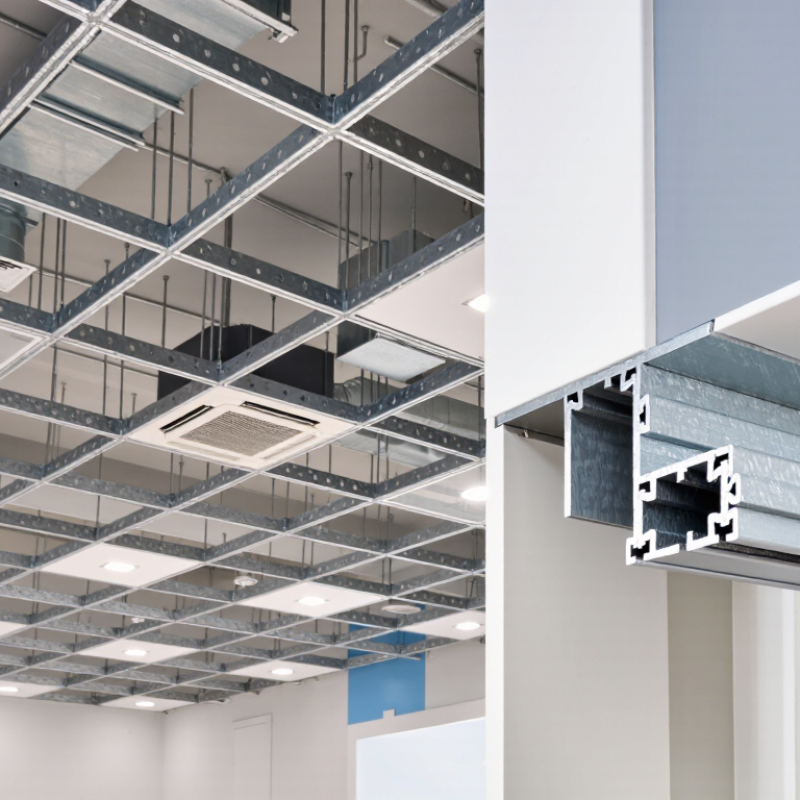
Picking a reliable metal ceiling grid supplier isn’t just a matter of comparing prices. For international buyers, it’s more about assessing load capacity, corrosion resistance, seismic options, acoustics, and delivery times—things that really matter during the project. A shiny catalog might look great, but the real test happens during installation, especially when that 24-millimeter suspension profile needs to play nice with lighting, sprinklers, ducts, and uneven structural slabs.

Mark A. Ponder, a ceiling systems guy working with Armstrong World Industries, says it pretty well: “A ceiling system only performs when all the parts work together.” And that’s so true. You might see a grid that looks super sturdy, but if the connectors are weak or the coating isn’t up to scratch, you could end up with visible deflections in just a few months. It’s often the little things that count.

This guide covers seven top Metal Ceiling Grid suppliers that serve international projects: Armstrong World Industries, Rockfon, USG, Knauf Ceiling Solutions, Chicago Metallic, SAS International, and Dampa. We’ve considered key practical concerns like product selection, technical info, manufacturing consistency, customization options, regional support, and after-sales service. Certifications are a big deal, too—because if a product is approved in one country, it doesn’t automatically mean it’ll pass muster elsewhere.

Of course, rankings are helpful but not set in stone. What’s perfect for an airport might be way overkill for a small retail space. Factors like your budget, climate, installer expertise, and access for replacements can all influence what’s best for you. And truth be told, some supplier info is easier to verify than others. So, before you commit, make sure to ask for recent test reports, samples, warranty details, and references from past projects.

Remember, don’t just focus on what’s visible on the ceiling surface—sometimes, that’s where the issues hide. Keep your eyes open and dig a little deeper.

7 Best Metal Ceiling Grid Suppliers for Global Buyers

What Defines a Reliable Metal Ceiling Grid Supplier?

A reliable Metal Ceiling Grid supplier proves its value before the first shipment arrives. Buyers should look for documented experience with commercial, industrial, and public interiors. Ask for project references, production photographs, and clear material specifications. Real expertise appears in details such as steel thickness, coating weight, edge profiles, and load performance. The supplier should explain how each choice suits humidity, fire requirements, and installation conditions. Vague promises are warning signs. Request test reports from recognized laboratories and certificates matching the destination market. Documents should be current, traceable, and easy to verify. A serious supplier also checks dimensions during forming, not only after packing. Small errors can become visible ceiling lines.

Reliability continues through communication and delivery. A capable team confirms drawings, tolerances, quantities, packaging, and inspection points in writing. It should provide a realistic production schedule, including risks around raw materials and port congestion. Fast replies help, but accurate replies matter more. Very important. For global orders, protective packaging should prevent bent panels, scratched finishes, and moisture damage. Buyers can request pre-shipment photos, random measurements, and independent inspection access. After delivery, the supplier should support installation questions and handle reasonable claims with evidence. No supplier gets every shipment perfect. That is worth admitting. What matters is whether problems are reported early and corrected transparently. A practical trial order can reveal more than a polished sales presentation. Review sample consistency, carton strength, label accuracy, and response speed before committing to large volumes. Cost matters, but unstable quality creates higher labor and replacement costs.

How Global Buyers Should Compare Ceiling Grid Manufacturers

Global buyers should compare ceiling grid manufacturers through evidence, not catalog appearance. A polished product page is not proof of stable production. Ask for factory audits, batch traceability, coating specifications, and test reports. The 2024 UNEP Global Status Report for Buildings and Construction states that buildings consumed 32% of global energy and produced 34% of global carbon emissions in 2022. This makes recycled steel content, energy use, and environmental product declarations important purchasing evidence. Not every supplier reports these details.

Technical compliance should come before price. Verify load capacity, corrosion resistance, seismic performance, and dimensional tolerances against ASTM C635/C636 or EN 13964, depending on the project location. Request samples of suspension components, not only finished ceiling tiles. For Corrugated Metal Ceiling Panels, check clip compatibility and service access at the same time. A beautiful sample can hide weak connections. I have seen comparison sheets omit replacement lead times, which creates expensive site delays.

Commercial reliability deserves equal attention. Compare minimum order quantities, packaging strength, port experience, warranty terms, and spare-part availability. The World Bank’s Logistics Performance Index 2023 shows major differences in customs efficiency and delivery reliability between markets. Therefore, ask suppliers for recent delivery records to your region. A low quote may exclude inland transport, duties, or protective packaging. I still treat vague sustainability claims carefully. They sound convincing, but independent documentation matters more. Teams should record every assumption before approving a manufacturer.

Leading Supplier One: Product Range and Manufacturing Strength

A leading global supplier should offer more than a standard T-bar ceiling grid. Its range should include exposed and concealed suspension systems, lay-in panels, clip-in panels, linear ceilings, baffles, and metal planks. For projects such as a Corrugated Metal Ceiling Basement, moisture-resistant Galvanized Steel and accessible service zones are practical choices. The supplier should also provide edge trims, seismic clips, lighting supports, and compatible access panels.

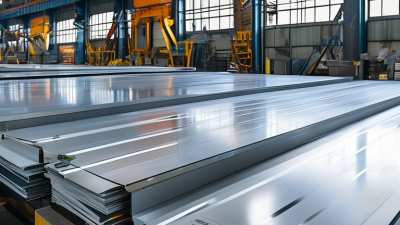
Manufacturing depth matters. Roll-forming lines can produce consistent grid profiles, while automated punching improves slot accuracy. Powder coating and galvanizing protect steel during humid transport and installation. According to Grand View Research’s 2024 ceiling tiles market analysis, commercial renovation and acoustic performance remain important demand drivers. A supplier with in-house testing can verify load capacity, corrosion resistance, coating adhesion, and dimensional tolerance against relevant ASTM and EN standards. These records make comparisons easier for international buyers.

Quality control is visible in small details. Check corner joints, carton strength, labeling, and replacement-part availability. The World Green Building Council continues to emphasize material transparency and healthier building practices, so environmental product declarations and recycled-content data add credibility. No factory is flawless. Minor color variation or delayed custom tooling can still occur, especially on large orders. Experienced suppliers explain these risks early and provide inspection samples before mass production. That honesty is often more useful than a polished catalog.

7 Best Metal Ceiling Grid Suppliers for Global Buyers - Leading Supplier One: Product Range and Manufacturing Strength

Evaluation Dimension Product Range or Technical Scope Manufacturing Strength Indicators Global Buyer Relevance
Exposed T-Grid Systems Main runners, cross tees, perimeter angles, and compatible suspension components for exposed 15 mm or 24 mm grid layouts. Common face widths include approximately 15 mm and 24 mm. Roll-forming equipment, controlled strip feeding, automated punching, accurate slot positioning, and consistent connector assembly. Suitable for offices, retail spaces, schools, healthcare facilities, and other projects requiring accessible ceiling services.
Concealed Grid Systems Concealed or semi-concealed carrier systems designed for metal ceiling panels with clip-in, lay-in, or hook-on installation methods. Tight dimensional control, compatible locking details, panel-to-grid testing, and coordinated production of carriers and accessories. Provides a cleaner visual appearance for airports, hotels, commercial interiors, and architectural ceilings.
Metal Ceiling Panel Compatibility Systems can be configured for steel or aluminium panels, including lay-in, clip-in, hook-on, linear, plank, and open-cell ceiling formats. Material-specific forming parameters, compatible panel tolerances, edge-profile tooling, and sample-based fit verification. Helps buyers select one suspension solution for different project designs and panel formats.
Base Materials Common materials include Galvanized Steel and aluminium. Steel generally provides structural stiffness, while aluminium offers low weight and strong corrosion resistance. Material certificates, thickness monitoring, coil traceability, surface inspection, and controlled storage of metal coils. Material selection can be matched to humidity, weight limits, fire requirements, and transportation conditions.
Surface Finishes Available finish categories may include pre-painted steel, powder-coated surfaces, anodized aluminium, and other project-specified coatings. Pretreatment, coating-thickness control, color consistency checks, adhesion testing, curing control, and protective packaging. Supports visual consistency, corrosion protection, and compliance with project color schedules.
Fire and Building-Code Support Product documentation may cover non-combustibility or reaction-to-fire performance where applicable, but the exact classification depends on the complete tested system. Batch records, technical data sheets, installation instructions, and access to third-party test documentation when available. Important for public buildings, transportation facilities, healthcare projects, and markets with strict approval procedures.
Dimensional Quality Control Key checks include profile height and width, component length, slot location, connector engagement, straightness, and compatibility with specified ceiling modules. In-process gauges, calibrated measuring tools, first-article approval, final inspection, and sampling plans based on the purchase order. Reduces installation delays, visible alignment problems, field cutting, and replacement costs.
Suspension Accessories Typical accessories include hanger wires, adjustable hangers, clips, splice pieces, perimeter trims, hold-down clips, and seismic restraint components where required. Coordinated accessory production, standardized connection details, corrosion-resistant materials, and compatibility checks with the main grid. A complete component package simplifies procurement and reduces the risk of incompatible parts.
Customization Capability Custom options can include grid module, profile dimensions, hole pattern, connector type, surface color, panel interface, and packaging configuration. Dedicated tooling, engineering drawings, prototype sampling, change-control procedures, and approval of production samples before mass manufacture. Useful for renovation projects, non-standard layouts, branded interior specifications, and local code requirements.
Packaging and Export Readiness Long profiles typically require protected bundles, while small accessories require labeled cartons or sealed inner packs to prevent loss and surface damage. Moisture protection, corner protection, carton identification, pallet stability, loading plans, and shipping-document coordination. Proper export packaging helps reduce transit damage and supports efficient site receiving and inventory control.
Technical Documentation Recommended documents include product data sheets, section drawings, installation manuals, component schedules, inspection records, and maintenance guidance. Controlled document revisions, multilingual instructions where needed, project submittal support, and traceable product specifications. Makes design review, contractor installation, tender comparison, and regulatory submissions more efficient.
Quality and Supply Reliability A dependable supplier should demonstrate repeatable product quality, stable raw-material sourcing, clear lead-time commitments, and responsive after-sales support. Quality management procedures, production capacity planning, preventive maintenance, supplier audits, and corrective-action tracking. Supports predictable project schedules and reduces procurement risk for international orders.

Leading Supplier Two: Custom Designs and Technical Support

Global buyers often need more than standard ceiling panels. Leading supplier two focuses on custom Metal Ceiling Grids and practical technical support.

Its design team can adapt panel sizes, suspension layouts, edge details, and access requirements. This matters when a project includes curved walls, narrow corridors, or uneven service zones. Factory drawings should show dimensions, profiles, connection points, and material finishes clearly.

Technical support should begin before production. Engineers can review reflected ceiling plans and check coordination with lighting, ventilation, sprinklers, and maintenance access.

They may also recommend suitable aluminum or galvanized steel grades for different environments. In coastal locations, corrosion resistance deserves careful attention. Small errors here can create visible rust or difficult replacements later.

The supplier should provide samples, installation guidance, and a controlled revision process. A sample panel helps buyers inspect color, flatness, edge alignment, and surface texture under real lighting.

Installation teams also benefit from labeled components and clear tolerances.

Keep records.

No design process is flawless. A rushed drawing can miss a ceiling height change or service clearance. Experienced support teams should welcome these corrections before fabrication. Buyers should still verify local loading, fire, and building requirements with qualified professionals. Reliable communication is not just fast replies. It means dated drawings, traceable approvals, and honest warnings when a requested detail may increase cost or installation time.

Leading Supplier Three: International Quality and Compliance

For global buyers, the leading third supplier should prove quality before quoting attractive prices. Its Ceiling Framing System is checked through material certificates, dimensional inspections, and load testing. Inspectors compare flange width, tee length, and coating thickness against approved drawings. A sample grid should lock firmly without forcing the cross tee. Small details matter.

International projects also require clear compliance records. The supplier should provide test reports, factory quality procedures, packing photographs, and traceable batch numbers. Documents must match the delivered cartons, not an old sales file. Where projects cross borders, the team should understand applicable fire, corrosion, and structural requirements. They should also explain limitations instead of promising universal approval.

Practical experience reveals the difference. On a humid coastal project, buyers may request galvanized protection, sealed packaging, and extra corner guards. On a large commercial site, consistent bundle labels can save hours during installation. Still, no supplier is flawless. A shipment may face delayed inspection or a confusing label. Reliable teams report issues quickly, propose measured corrections, and record the lesson. That honesty matters more than polished claims during long-term international cooperation.

Leading Suppliers Four to Seven: Key Features and Market Reach

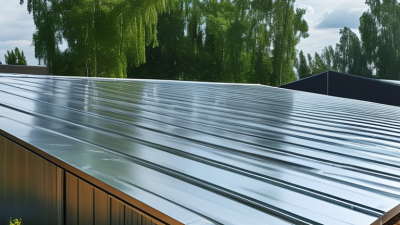
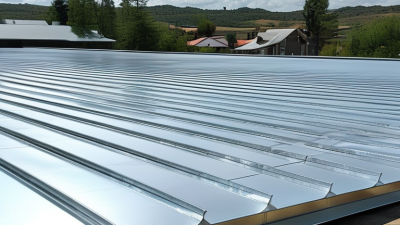
Supplier Four focuses on Corrugated Ceiling Tiles for commercial interiors and transportable buildings. Its product range includes galvanized steel, aluminum, and perforated panels. Factory audits should examine edge quality, coating thickness, and packing methods. Export experience appears strong across Southeast Asia, the Middle East, and selected European markets. Still, buyers should request recent test reports instead of trusting catalog claims.

Supplier Five offers modular ceiling grid systems with quick-lock profiles and adjustable suspension parts. This feature can reduce installation time on large offices, schools, and retail projects. Its market reach covers North America, Africa, and several island economies. I would check load calculations carefully. Lightweight components may perform well, but weak packaging can create bent edges before installation. That detail is easy to overlook.

Supplier Six combines acoustic panels with standard mineral fiber and metal ceiling systems. Its technical teams usually provide shop drawings, sample corners, and installation guidance. These services help overseas contractors avoid measurement errors. Supplier Seven competes through flexible production, private labeling, and smaller minimum orders. That approach suits regional distributors testing new markets. However, inconsistent batch colors remain a possible concern. Buyers should compare samples from different production dates. Delivery records, warranty language, fire-performance documents, and spare-part policies also deserve close review before payment.

How to Choose the Best Supplier for Your Project Needs

Choosing a metal ceiling grid supplier starts with project evidence, not polished catalog images. Ask for technical drawings, section dimensions, material grades, coating thickness, and corrosion test results. The grid must match panel weight, suspension spacing, seismic needs, and indoor humidity. Check physical samples. A 600-millimeter tee may look standard, yet its locking detail can differ. Small differences matter.

For global projects, examine production control as closely as price. Request batch records, inspection plans, dimensional tolerances, and packaging photos. A capable supplier should explain how workers check cross-tee connections, surface defects, and load performance. Independent testing can support claims about fire resistance, acoustics, or corrosion protection. Do not accept vague certificates. Verify laboratory names, report dates, and test scopes. Factory videos help, but third-party inspection offers stronger evidence.

Shipping experience also affects the final result. Confirm pallet design, moisture protection, spare quantities, lead times, and export documents before signing. Ask how the supplier handles damaged cartons or mismatched batches. Written answers reveal accountability. I once underestimated replacement needs on a large fit-out, and a few extra cartons would have prevented delays. That mistake still shapes my purchasing checklist. No supplier is perfect. Compare response speed, technical honesty, and willingness to admit limitations. Ask for a realistic installation guide, not a perfect promise.

7 Best Metal Ceiling Grid Suppliers for Global Buyers: How to Choose the Best Supplier for Your Project Needs

Use this weighted evaluation framework to compare metal ceiling grid suppliers. The criteria reflect common international procurement requirements, including product compliance, corrosion resistance, fire and acoustic performance, delivery capability, documentation, and commercial flexibility.

Suggested benchmark weights total 100%. Buyers should adjust the weighting according to project location, building regulations, ceiling system specifications, installation conditions, and delivery schedule. Relevant references may include EN 13964, ASTM C635/C636, ISO 9001, and ISO 14001.

FAQS

What materials are available for corrugated ceiling tiles?

Common options include galvanized steel, aluminum, and perforated panels. Material choice depends on corrosion, weight, appearance, and indoor humidity.

Which factory details should buyers inspect?

Check edge quality, coating thickness, surface defects, and packing methods. Bent edges can appear before installation. Packing matters more than expected.

Can quick-lock ceiling grids reduce installation time?

Yes, quick-lock profiles and adjustable suspension parts may speed up large projects. Confirm load calculations before choosing lightweight components.

What documents should an overseas buyer request?

Request technical drawings, material grades, test reports, inspection plans, batch records, and export documents. Vague certificates require verification.

How can buyers verify fire, acoustic, or corrosion claims?

Check laboratory names, report dates, and testing scopes. Independent testing provides stronger evidence than catalog statements.

Why are physical samples important?

Samples reveal coating, color, edge quality, and locking details. Two 600-millimeter tees may look similar but connect differently.

What shipping details deserve close attention?

Confirm pallet design, moisture protection, lead times, spare quantities, and damaged-carton procedures. A few extra cartons can prevent delays.

Are smaller minimum orders useful for regional distributors?

Yes, smaller orders help distributors test demand before expanding. However, compare samples from different batches because colors may vary.

How should buyers judge supplier reliability?

Compare response speed, technical honesty, delivery records, warranty wording, and spare-part policies. No supplier is perfect. Look for realistic guidance.

Conclusion

Choosing the right Metal Ceiling Grid supplier is essential for achieving a durable, attractive, and efficiently installed ceiling system. A reliable supplier should offer consistent product quality, strong manufacturing capabilities, accurate dimensions, dependable delivery, and clear communication. Global buyers should compare manufacturers according to material performance, production capacity, customization options, technical support, international quality standards, compliance documentation, and after-sales service. Suppliers with broad product ranges can support different architectural requirements, while those with advanced engineering capabilities are better suited to complex or customized projects.

The leading suppliers in this market typically combine flexible design services, experienced technical teams, strict quality control, and reliable international logistics. Some focus on custom solutions and project consultation, while others stand out through certifications, export experience, and broad market coverage. When selecting a supplier, buyers should consider project size, ceiling design, installation conditions, budget, lead time, and local regulatory requirements. A careful comparison of these factors can help ensure a secure partnership and a Metal Ceiling Grid solution that performs well over time.

Isabella

Isabella

Isabella is a dedicated marketing professional with extensive expertise in the steel industry, particularly in the production and promotion of high-quality galvanized coils, galvalume coils, and ZAM coated coils. With a keen understanding of the technical specifications and applications of our......
Previous How to Choose a Metal Sheet Partition Wall Supplier?