So, picking the right Sheet Metal Deck supplier isn't just a purchasing detail. It can shape how a structure performs, how fast the crew can install it, and how much maintenance it needs down the road. This guide takes a look at ten established companies that serve different construction markets around the world. We look at product range, manufacturing experience, engineering support, certifications, delivery capability, and customer service.
The suppliers covered include Vulcraft, Verco, Nucor, Canam, Tata Steel, ArcelorMittal Construction, Kingspan, Ruukki, Metfloor, and Stalprodukt. Each one may bring different deck profiles, gauges, finishes, and span capacities to the table. Some are known for composite Floor Deck. Others lean toward roof deck, cellular deck, or custom fabrication.
But real project details matter—a lot. Contractors should compare load tables, rib geometry, coating specs, and available sheet lengths. Lead times are another big one. A cheap price doesn't mean much if the shipment shows up late. Technical documents need to be current and easy to verify. And independent engineering review is still worth it, especially for unusual spans, harsh environments, or complex connections.
No supplier is perfect. Regional availability can shift, and product names sometimes change from one market to another. That leaves plenty of room for confusion. Buyers should confirm tolerances, fastener requirements, fire performance, and warranty terms directly with each manufacturer. Site experience also tends to reveal practical issues: damaged edges, awkward handling, or installation guidance that isn't as clear as it should be.
Think of this overview as a practical starting point, not a replacement for project-specific design. The strongest supplier isn't always the biggest one. It's the one that pairs dependable products with transparent documentation, responsive support, and proven performance for the application you actually have in mind.
Sheet Metal Decking: Definition, Types, and Core Applications
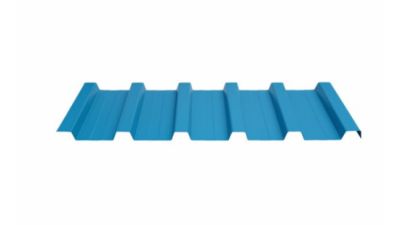
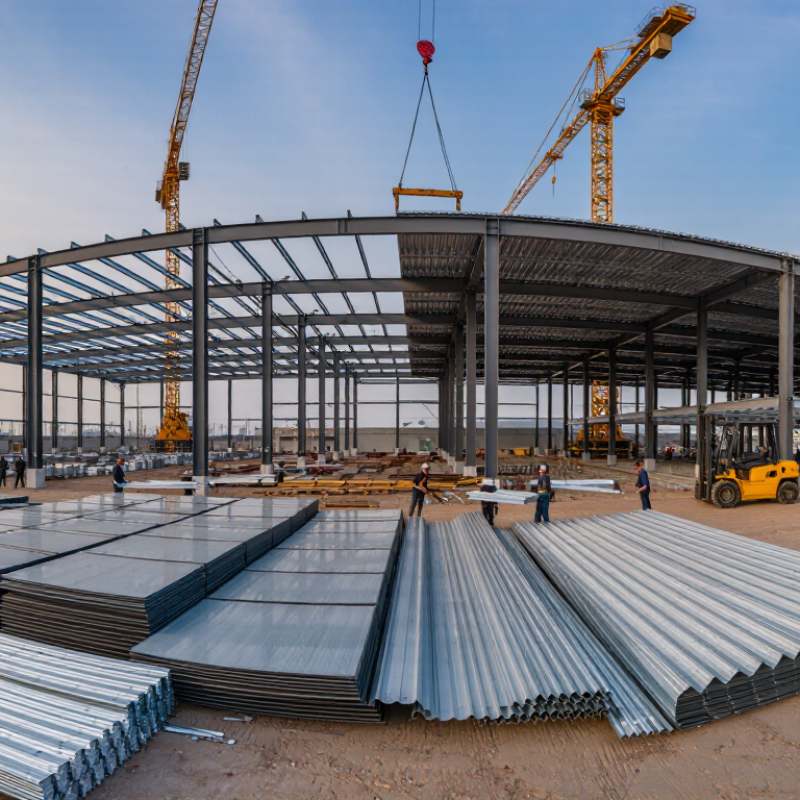
Sheet Metal Deckingis a profiled steel panel used to support floors, roofs, or concrete slabs. It transfers loads to beams while creating a stable, working surface. Common types include composite Floor Deck, non-composite Floor Deck, roof deck, andMetal Deck Roofing Sheet. Each profile has a different rib height, coating, and load capacity. Choosing by appearance alone can create problems.
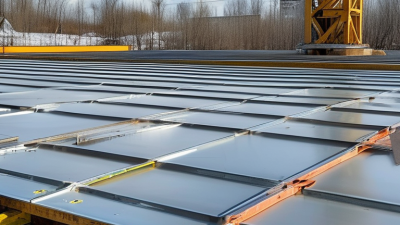
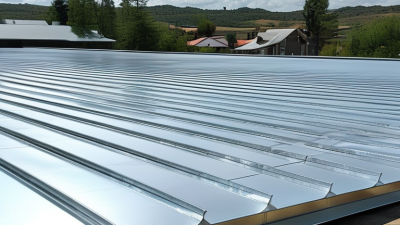
In commercial buildings, composite deck bonds with concrete through formed ribs and embossments. Non-composite deck mainly supports construction loads and finished flooring. Roof deck supports insulation, membranes, and rooftop equipment. It also helps resist wind pressure when properly fastened. I have seen installation issues begin with small errors, such as incorrect sidelap placement or missing support lines. The drawings may look clear, but site conditions often disagree.
Tips: Check span tables, steel thickness, coating requirements, and fire ratings before ordering. Confirm the deck profile matches the supporting beams. Inspect bundles for dents, corrosion, and damaged edges. Keep panels dry and raised above the ground. A practical review with an engineer is worthwhile, especially for heavy equipment or long spans. Some specifications remain unclear; questioning them early is safer than correcting a weak assembly later.
How to Evaluate Sheet Metal Deck Suppliers Worldwide
Choosing among the 10 best sheet metal deck suppliers worldwide requires more than comparing prices. Start by checking their manufacturing experience, engineering team, and documented quality procedures. Ask for project records involving similar spans, loads, finishes, and environmental conditions. A reliable supplier should provide clear product data, load tables, testing reports, and installation guidance.
Look closely at material consistency. Confirm steel grade, coating thickness, panel dimensions, and tolerance controls. Request samples if the deck will remain exposed. Inspect the ribs, sidelaps, fastener points, and packaging details. Small defects can create serious delays on site. Communication also matters. Suppliers should answer technical questions directly and explain lead times, replacement policies, and shipping risks. Vague promises are warning signs.
Tips: Compare at least three suppliers using the same checklist. Verify certificates with the issuing laboratory when possible. Ask how damaged panels are handled after delivery. A factory visit can reveal more than polished brochures. Still, no supplier is perfect. I would leave room for mistakes, especially in delivery forecasts and coating appearance. Independent inspection may add cost, but it can prevent expensive rework. A strong supplier supports the entire process, from design coordination to safe installation and after-sales response.
Global Supplier Profiles: Ten Leading Sheet Metal Deck Manufacturers
The global sheet metal deck market includes suppliers with different strengths, production scales, and engineering approaches. These ten leading manufacturer profiles focus on measurable capabilities rather than reputation alone. Their product ranges commonly include floor deck, roof deck, composite deck, and Truss Deck systems for commercial, industrial, and infrastructure projects.
Experienced buyers should examine steel grade, coating thickness, forming accuracy, and published load tables. A reliable supplier should provide technical drawings, installation guidance, test data, and responsive engineering support. Factory capacity matters, but consistency matters more. A large facility can still produce uneven ribs or delayed batches. That point deserves attention.
Tips: Request recent quality records and sample profiles before placing a large order. Compare deck dimensions, fastening details, fire performance, and delivery terms. Ask how the supplier handles damaged bundles or design changes. Visit the plant when possible. A short inspection may reveal more than a polished brochure. Be cautious with unusually low prices; thinner steel or limited documentation may create costly problems later. I would also verify local code compatibility with an independent engineer, because supplier data is useful but not always complete.
Comparing Product Quality, Standards, Capacity, and Customization
When comparing the 10 Best Sheet Metal Deck Suppliers Worldwide, product quality should begin with traceability, not appearance. World Steel Association data recorded about 1.84 billion tonnes of crude steel production in 2024. This scale creates options, but also uneven consistency. Ask for mill certificates, coating thickness records, weld inspection results, and load-table evidence. A clean galvanized surface can still hide poor forming accuracy.
Standards & Fit Standards reveal more. Suppliers serving North America should demonstrate designs aligned with AISI S100 and project-specific structural calculations. European projects may require EN 1090-1 execution controls and documented factory production procedures. ISO 9001 certification supports process discipline, but it does not guarantee excellent decking. That distinction matters. Buyers should inspect recent batches, not only certificates. Floor Deck profiles must match slab thickness, span, fire requirements, and connection details. Small rib distortions can complicate installation and reduce fit.
Capacity also needs practical testing. Global steel output does not prove a supplier can deliver your order on time. Request monthly forming capacity, coil-stock policies, tooling limits, and contingency plans. Customization may include rib height, sheet thickness, lengths, embossing, punched holes, and protective coatings. However, every change can affect tooling cost and structural performance. A thoughtful supplier explains those trade-offs clearly. I would still challenge optimistic delivery promises, because production schedules often look better on paper. The strongest evaluation combines standards, sample testing, factory evidence, and honest communication.
Regional Coverage, Delivery Networks, and Customer Support
10 Best Sheet Metal Deck Suppliers Worldwide
Choosing among the 10 best sheet metal deck suppliers worldwide requires more than comparing prices. Regional coverage affects lead times, customs handling, and technical response. A supplier with warehouses near major ports may deliver faster than a larger company with distant production. Check stock locations, export experience, and local distribution partners before requesting a quotation.
Delivery networks should match your project schedule. Ask whether the supplier can provide staged shipments, protective packaging, and shipment tracking. For large orders, confirm bundle dimensions and unloading requirements early. A reliable supplier should also explain material grades, coating options, load data, and installation guidance in clear language. Customer support matters after payment, too. Fast answers during specification reviews can prevent costly changes on site.
Tips: Request recent delivery references from your region. Verify promised lead times in writing. Keep a backup supplier for urgent replacements. Support quality can vary between offices, even within one network. That detail is easy to miss. I would also review warranty terms carefully, because broad promises may not cover transport damage or incorrect storage. Supplier rankings can become outdated as warehouses, tariffs, and regional teams change. Check current evidence, not only published claims.
Pricing Factors, Procurement Steps, and Supplier Selection Criteria
Buying Steel Floor Deck from a global supplier requires more than comparing unit prices. Pricing usually depends on steel thickness, coil costs, profile depth, coating type, order volume, tooling, packaging, and freight distance. A quote may look attractive until inland delivery, inspection, and currency risks are added. Request a detailed cost sheet.
Procurement should begin with verified drawings and project loads. Specify span, slab depth, yield strength, surface finish, tolerances, and required quantity. Ask for samples, production photographs, test reports, and references from comparable projects. Confirm lead time, payment terms, shipping responsibilities, and replacement procedures before issuing a purchase order. Keep every revision documented.
Supplier selection needs practical judgment. A reliable producer should explain how it controls roll forming, thickness variation, weld quality, and corrosion protection. Factory audits or independent inspections can reveal details that brochures hide. Check communication speed, technical support, packaging strength, and export experience. Small mistakes matter.
The cheapest supplier may not be the best value. A delayed shipment can stop concrete work and increase labor costs. However, expensive quotations are not automatically safer. Recheck assumptions, especially freight estimates and testing fees. One overlooked detail can change the final budget significantly.
Pre-painted Corrugated Steel Sheet: Market Trends and Applications Based on World Steel & Mordor Intelligence Reports
Pre-painted corrugated steel sheets are gaining attention as efficient architectural materials for industrial, commercial, and infrastructure projects. The World Steel Association’s April 2024 Short Range Outlook projected global steel demand to reach approximately 1.75 billion tonnes in 2024 and 1.79 billion tonnes in 2025, reflecting continued activity in construction, manufacturing, and logistics. This sustained demand supports the use of coated steel products that combine structural strength with faster installation and reduced maintenance requirements.
Mordor Intelligence identifies durability, corrosion protection, and expanding construction activity as important drivers of the pre-painted steel market, with market growth expected to continue over the coming years. In practical applications, color-coated sheets can function as metal roofing sheets for sloped roofs or metal wall cladding panels for façades and enclosures. Their lightweight steel substrate reduces handling loads, while multilayer weather-resistant coatings provide protection against moisture, ultraviolet exposure, and everyday environmental conditions. Available in multiple colors and profiles, these sheets are suitable for warehouses, industrial buildings, temporary facilities, agricultural structures, and renovation projects where visual consistency and installation efficiency are important.
Conclusion
This guide explores Sheet Metal Deck as a durable structural and architectural solution used in roofing, flooring, mezzanines, platforms, and industrial construction. It explains the main deck types, material options, profiles, coatings, load considerations, and core applications. Readers will also learn how to evaluate suppliers by examining product quality, manufacturing consistency, engineering support, testing procedures, certifications, production capacity, and customization capabilities.
The article presents a practical framework for comparing leading manufacturers without focusing on brand promotion. It considers regional coverage, delivery networks, technical communication, after-sales service, lead times, and project coordination. It also explains the main pricing factors, including raw material costs, coating requirements, profile design, order volume, packaging, freight, and installation needs. Finally, it outlines a clear procurement process and supplier selection criteria to help buyers identify reliable partners that can provide compliant products, stable capacity, responsive support, and suitable solutions for both standard and specialized construction projects.