Picking the right Color Galvanized Sheet can really make or break your project in terms of durability, looks, and how much upkeep it needs. But honestly, it’s more than just about picking a color. You’ve got to consider things like the coating type, steel grade, thickness, how you’re planning to form it, the climate it’ll be in, and even how you’re going to install it. Sure, a shiny surface might look super appealing, but keep in mind, scratches tend to show up on bright finishes pretty quickly. Darker shades might do a better job hiding marks, but they also tend to absorb more heat—which isn’t always ideal.
Daniel Foster, who’s a materials engineer and the Technical Director at Blue Ridge Metal Solutions, put it simply: “A reliable Color Galvanized Sheet needs to be suited to the environment first — only then should it match the architect’s color ideas.” His approach is pretty practical, built over years of checking out everything from roofing panels and wall cladding to agricultural structures and custom fabrications. He suggests looking at the zinc coating, paint system, gloss level, and warranty details all together — no one thing tells the whole story.
Start by thinking about the actual conditions your project will face. Is it near the coast, exposed to industrial pollution, heavy rains, or intense sunlight? These factors can really challenge the coating’s durability. Also, consider if the sheet will be cut, bent, punched, or fastened on site. If tight bending is involved, you’ll want to choose a suitable paint technology and steel grade. Be careful: rough handling can cause tiny scratches that might turn into corrosion later on.
Don’t just rely on how it looks. Make sure to ask for technical data, coating test results, and sample panels from your supplier. Check out how the finish appears under natural daylight — not just the showroom lighting. Also, verify that the color stays consistent from batch to batch, because differences can pop up between production runs. Unfortunately, that’s a step many folks overlook.
Remember, there’s no one-size-fits-all sheet out there. Something that works well inside a building might not stand up to the elements on an outdoor warehouse roof. The key is careful selection, honest conversations with your supplier, and having realistic expectations for maintenance. Even if you’re experienced, it’s worth rethinking your assumptions before placing a big order — better safe than sorry!
Define the Project’s Performance and Environmental Requirements
Choosing a Color Coated Galvanized Sheet starts with the site, not the color chart. Record humidity, temperature, sunlight, salt exposure, and chemical contact. An indoor ceiling near a dry office needs less protection than a factory wall exposed to detergent vapors. Coastal air is unforgiving.
Ask how often condensation forms behind panels, especially where ventilation is weak. Water trapped at laps or cut edges can attack the zinc layer and shorten service life. That detail is easy to miss. Select the metallic coating and paint system for the expected exposure, not the lowest purchase price. Check coating thickness, paint type, adhesion, UV resistance, and temperature limits in the technical documentation. Compare declared performance with recognized testing standards.
Confirm that the sheet thickness suits wind loads, spans, fasteners, and handling. Thin sheets may look efficient, but dents around screws can become early corrosion points. In practice, installers should protect cut edges, keep bundles dry, and avoid dragging sheets across rough ground. These steps sound basic. Still, they are often skipped on busy sites.
A common mistake is choosing a vivid finish before defining cleaning chemicals or expected service life. Attractive panels can fade quickly beside hot, reflective surfaces. The failure may not be the color. The exposure assessment may be incomplete. Review local weather data, project drawings, and independent test evidence together. Request clear information on warranty conditions, inspection methods, and replacement procedures. Do not assume one coating performs equally on roofs, walls, and sheltered interiors.
Choose the Appropriate Surface Finish and Color System
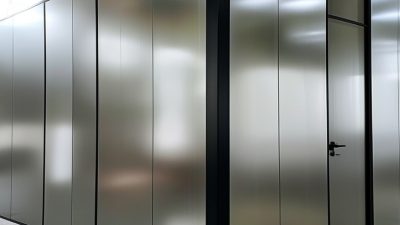
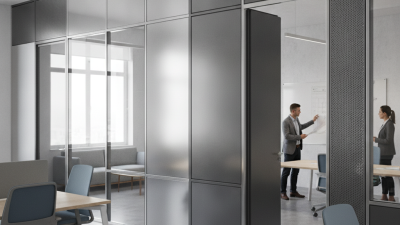
Choosing a Color Galvanized Sheet begins with the surface finish, not the color chart. A smooth finish creates clean reflections and suits wall panels or indoor partitions. A matte finish hides minor scratches better. Textured coatings can reduce visible waviness on large sheets. They may also collect more dust.
Consider the project environment before selecting a color system. For humid areas, choose a coating system with strong adhesion, corrosion resistance, and stable edge protection. Exterior sheets often need a primer, color coat, and protective topcoat. Each layer should match the galvanized substrate. Otherwise, peeling may appear around cut edges or fasteners. Check coating thickness, gloss level, and color tolerance in the technical data.
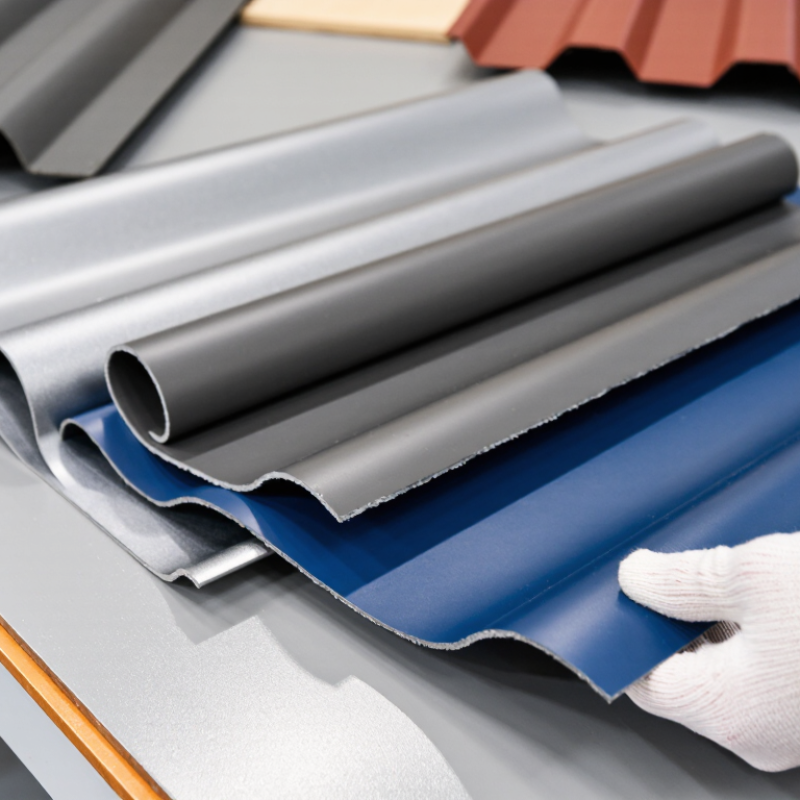
Color changes under sunlight. Dark shades can absorb more heat and show fading sooner. Light colors usually keep a cooler appearance, but dirt becomes noticeable faster. A sample panel is more reliable than a small printed swatch. View it in morning, midday, and shaded light. One mistake I have seen is approving color before checking the final finish. The same gray can look completely different in gloss and matte versions. Also inspect forming performance. A beautiful coating is not useful if bending causes cracks. Leave room for reconsideration. Project conditions are rarely perfect.
How to Choose Color Galvanized Sheet for Your Project?
Use the coating system as a starting point for selecting surface finish and color performance. Standard polyester is commonly used for general applications, while SMP and PVDF are typically considered for stronger weathering and color-retention requirements. Plastisol provides a much thicker coating and is often selected where enhanced forming and surface protection are important. Actual performance depends on the substrate, coating specification, exposure conditions, forming process, and maintenance requirements.
Indicative industry ranges for nominal organic coating thickness; always confirm the required specification and color system with the project datasheet.
Check Dimensions, Profiles, Edges, and Installation Compatibility
Choosing Pre-Painted Color Steel starts with accurate dimensions, not color. Measure the roof or wall length, width, slope, and opening locations. Check the effective cover width, not only the sheet’s nominal width. Overlaps can reduce coverage by several centimeters. Add enough length for eaves, trims, and clean cutting.
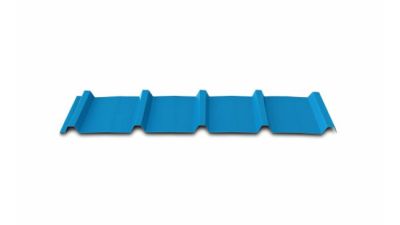
The profile must suit the structure. Deeper ribs usually provide greater strength across wider supports, while shallow profiles may fit compact wall systems. Compare the sheet profile with purlin spacing, framing direction, and existing panels. Edge details also matter. Inspect factory edges for straightness and coating damage. Cut edges should receive suitable protection, especially near rain channels. Small scratches can become visible rust points later.
Installation compatibility includes fastener length, washer type, flashing shape, and available tools. Confirm that screws reach the supporting frame without excessive penetration. Leave room for thermal movement on long panels. A site installer may prefer shorter sheets when access is limited, even if longer sheets reduce joints. I have seen ordering errors caused by measuring from the old panel instead of the frame. That mistake is easy to repeat. A physical sample can reveal profile mismatch, color variation, or an edge that clashes with existing trim. Check it before production.
Evaluate Supplier Quality, Standards, Cost, and Delivery Terms
Choosing Sheet Galvanized for a construction project requires more than comparing surface color. Supplier quality should be checked through coating thickness, steel grade, dimensional tolerance, and surface uniformity. Ask for recent inspection reports and production samples. A reliable supplier can explain testing methods without vague promises. Small details matter. For example, uneven coating may appear as dull patches near cut edges. I once focused too heavily on appearance and overlooked thickness variation, which caused fitting problems later.
Review the standards required for your project before requesting prices. Confirm whether the material follows applicable ASTM, EN, or ISO specifications. The certificate should match the actual batch, not a generic document. Check paint adhesion, corrosion resistance, and color consistency when the sheet will face outdoor exposure. Some suppliers provide excellent documents but weak samples. That gap deserves careful questioning.
Cost should include packaging, inspection, freight, duties, and possible replacement losses. A cheaper offer may become expensive after delays or rejected sheets. Compare payment terms and minimum order quantities carefully. Delivery terms need equal attention. Confirm production time, loading dates, port details, and responsibility for transport risks. Request photos before shipment and use protective packaging for long-distance delivery. Delays happen, even with experienced suppliers. A realistic buffer is wiser than an impressive promise. I would also record every agreed specification in the purchase contract, because memory is not a quality system.
Pre-painted Corrugated Steel Sheet: Benefits, Applications, and Selection Guide
Pre-painted corrugated steel sheet combines a high-strength steel substrate with metallic protection and a multi-layer, weather-resistant coating. According to the World Steel Association’s *World Steel in Figures 2024*, global crude steel production reached approximately 1.89 billion tonnes in 2023, reflecting the material’s established role in modern construction. Formed into corrugated profiles, coated steel offers a favorable strength-to-weight ratio, fast installation, consistent appearance, and lower handling demands than many traditional cladding materials. The same product may serve as a Metal Roofing Sheet on sloped roofs or a Metal Wall Cladding Panel for façades and enclosures.
Typical applications include factories, logistics warehouses, agricultural buildings, temporary facilities, workshops, and commercial extensions. Color and gloss options support architectural coordination, while properly selected paint systems help resist ultraviolet exposure, moisture, and industrial pollutants. For project specifications, ISO 12944 provides a recognized framework for classifying atmospheric corrosivity and selecting suitable corrosion-protection systems; coastal, humid, and chemically exposed sites generally require more robust coating protection than dry inland locations.
Selection should begin with structural loading, span, wind uplift, snow conditions, roof pitch, and the required sheet thickness. Check the metallic coating mass, topcoat and back-coat chemistry, profile depth, thermal movement allowance, and compatibility of screws, washers, flashings, and sealants. In severe environments, concealed drainage and cut-edge protection are especially important. Fire, thermal, acoustic, condensation, and maintenance requirements should also be reviewed alongside color retention, expected service life, delivery dimensions, and installation details.
Conclusion
Choosing the right Color Galvanized Sheet begins with understanding the project’s performance and environmental requirements. Consider exposure to moisture, chemicals, salt, temperature changes, and mechanical loads so you can select an appropriate galvanized coating and steel grade. The sheet’s thickness, strength, and formability should also match the intended application, whether it requires structural support, bending, cutting, or simple cladding. These factors directly influence service life, appearance, and installation efficiency.
Next, evaluate the surface finish and color system to achieve the desired visual effect and resistance to fading, corrosion, and weathering. Confirm that the sheet dimensions, profiles, edge details, and fixing methods are compatible with the project design. Finally, assess the supplier’s quality control, applicable standards, testing procedures, pricing, minimum order requirements, and delivery terms. A careful comparison of technical performance and total project cost will help ensure that the selected Color Galvanized Sheet provides reliable, attractive, and durable results.