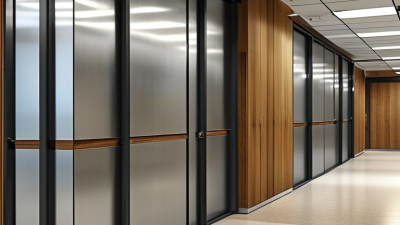
Choosing the right Galvalume Wall Panels isn’t just about flipping through some photos or getting a quick quote. There’s a lot more under the surface, especially for global buyers. You want to see solid evidence of coating quality, steel strength, accurate profiles, and reliable supply that won’t run out when you need it most. To help out, I’ve put together this guide covering ten standout panel options suitable for everything from industrial and commercial projects to farms and modern homes.
Every option should be evaluated based on the actual conditions of your project. Make sure you check the AZ coating specs, substrate thickness, panel sizes, fastener compatibility, and the finishes offered. If you're dealing with coastal sites, you'll want to pay extra attention to corrosion resistance. Cold climates? Think about thermal movement and moisture control — those details are just as critical as the panels themselves.
Take a closer look. A trustworthy supplier will provide detailed datasheets, test reports, clear installation instructions, and straightforward warranty info. And yeah, independent certifications help build confidence, but remember—they mean little if they don’t match the actual product you receive. Sample panels are super useful, too, because things like color, texture, and even the edges can look totally different in photos.
No one panel is perfect. For instance, one might excel in resisting corrosion but be a bit pricey or hard to install on a curved façade. Another might go up quickly but only offer limited profile options. These kinds of trade-offs are normal, so honest review is key. We try to compare everything from material performance and manufacturing consistency to design options, maintenance, and what other buyers are saying—whenever reliable info is available.
Ultimately, we’re not here to pick a single “best” panel for everyone. Instead, it’s all about helping architects, contractors, suppliers, and procurement teams ask the right questions before they go placing big international orders. Little details can make a huge difference and help avoid costly delays down the line. At the end of the day, real-world experience still counts a lot—that’s what really makes the difference.
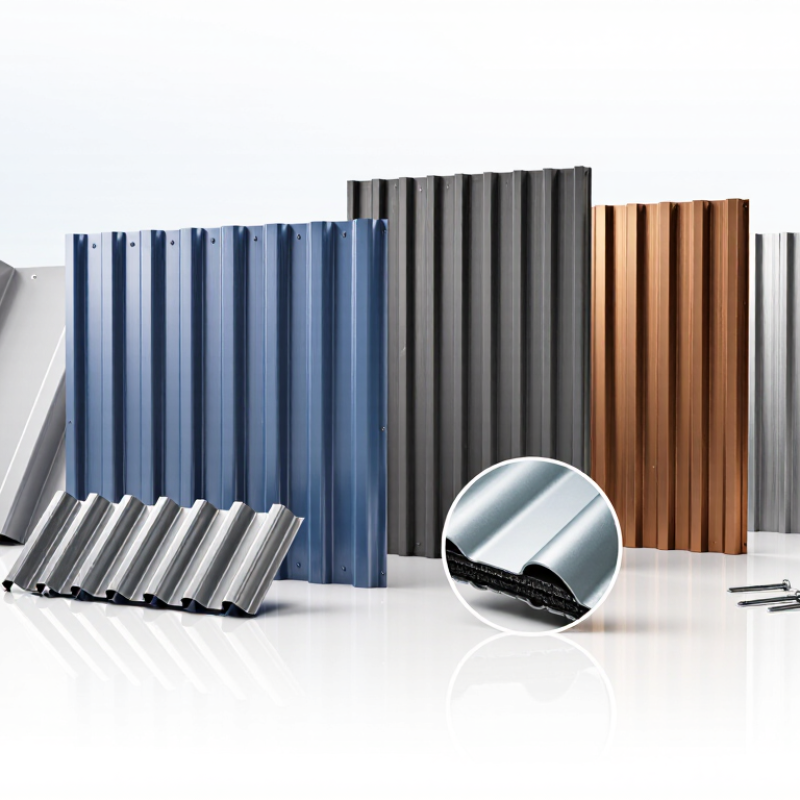
Galvalume Wall Panels Defined: 55% Aluminum–Zinc Coating and ASTM A792
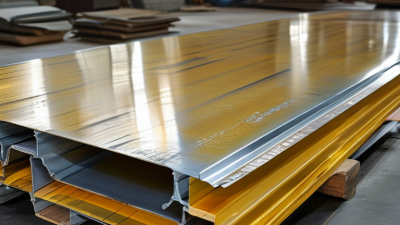
Galvalume Panelsare Steel Wall Panels protected by a 55% aluminum–zinc alloy coating. The coating also contains a small amount of silicon. ASTM A792/A792M covers this coated steel sheet and defines requirements for coating, steel quality, dimensions, and testing. The 55% figure refers to the coating’s aluminum content by weight, not its thickness. That distinction matters when comparing supplier quotations.
On a job site, installers often notice the coating’s bright, fine-spangled surface first. Aluminum helps protect exposed areas, while zinc provides sacrificial protection around minor scratches. However, cut edges and drilled holes still need careful detailing. Poor drainage, trapped moisture, or contact with incompatible metals can shorten service life. I have seen attractive panels fail early because installers ignored the back lap. Standards help, but workmanship remains decisive.
Tips: Ask for the ASTM A792/A792M grade, coating designation, base-metal thickness, and test records. Confirm whether the quoted thickness includes the coating. Check panel profiles, fastener compatibility, and edge-treatment guidance before ordering. A certificate alone is not enough; compare it with measured dimensions and the project environment. Coastal air, industrial fumes, and frequent condensation deserve closer review. A reasonable specification may still need adjustment after a real site inspection.
AZ50 vs. AZ55 Coatings: Comparing 0.50 and 0.55 oz/ft² Protection
For global buyers comparing Galvalume Wall Panels, AZ50 and AZ55 describe coating weight, not panel thickness. The figures represent approximately 0.50 and 0.55 oz/ft² of aluminum-zinc coating across both surfaces. AZ55 provides about 10% more coating mass, but it does not deliver exactly 10% more service life. Real performance depends on humidity, salt exposure, panel forming, fasteners, and edge protection.
AZ50 suits many low-risk wall applications, especially where drainage is good and the panels remain away from constant moisture. AZ55 offers a modest protective reserve for coastal air, frequent rain, or buildings requiring longer maintenance intervals. It may be the more practical choice when replacement work is expensive.
However, heavier coating cannot correct poor installation. Scratched faces, exposed cut edges, and trapped water can create early corrosion points.
Look closely at the details.
During inspection, check coating consistency, flatness, and cut-edge treatment. Confirm the stated AZ value with mill documentation, not only a sales sheet. Also compare the base steel grade and thickness. A stronger coating on thin, poorly formed steel may not perform as expected. This is where specifications can mislead. The extra 0.05 oz/ft² seems small, yet procurement decisions should reflect the site climate, expected lifespan, and repair access rather than coating weight alone.
Top 10 Galvalume Wall Panel Profiles by Rib Depth, Width, and Application
Galvalume Metal Panels are selected by geometry, not appearance alone. ASTM A792/A792M covers steel sheet with a 55% aluminum-zinc alloy coating. World Steel Association data recorded 1.89 billion tonnes of crude steel production in 2023, showing the scale behind today’s available coil supply. Still, local forming quality matters. A beautiful profile can fail when fasteners, laps, or drainage are poorly specified.
The practical top ten begins with
5V crimp: 0.5-inch ribs and 24-inch coverage suit small homes.
Corrugated Panels use 0.5-inch ribs and 26–36-inch coverage for walls and farm buildings.
Low-rib panels reach 0.75 inches and serve light commercial façades.
R panels use 1.25-inch ribs across roughly 36 inches for warehouses.
Agricultural panels commonly use 1.5-inch ribs and 36-inch coverage.
Standing-
Seam Panels often use 1.75-inch ribs with 12–18-inch pans for weather-sensitive walls.
Three-inch structural panels handle industrial walls, but need stronger framing.
Insulated sandwich panels usually combine 1–1.5-inch ribs with 1,000-millimetre modules.
Micro-rib panels use shallow ribs under 0.5 inch for cleaner architectural surfaces.
Dimensions vary by mill. That is the inconvenient part. Depth alone does not predict performance; wind tables, coating mass, steel thickness, and joint design must be checked together.
Panel Performance: Yield Strength, Thickness, Span, and Thermal Ratings
For global buyers comparing the top 10 Galvalume wall panels, start with verified performance data, not appearance alone. Yield strength indicates how much stress the steel can تحمل before permanent deformation, but it does not determine panel capacity by itself. Profile shape, metal thickness, fastening, and support spacing all matter. Ask for the base-metal thickness and test documentation; coating thickness is a separate measurement. Small differences matter.
Span ratings need careful reading. A table may assume a specific wind load, support condition, and deflection limit, so it may not apply to your project. Check whether the stated span is single-span or continuous-span, and confirm edge and corner wind pressures with a qualified designer. Thermal ratings also describe the full wall assembly, not just the metal sheet. Galvalume conducts heat readily; insulation, thermal breaks, air sealing, and interior finishes affect overall performance. Get assembly U-values or R-values where available. A cold steel fastener can still create a local thermal bridge. Easy to overlook. I have seen buyers compare panels using gauge labels alone, then discover the actual thickness or span assumptions differ. That shortcut is tempting, but not reliable. Verify the project conditions before selecting a panel.
Corrosion Resistance: Marine Exposure, Cut Edges, and Service-Life Factors
Galvalume Roofing Panels combine a steel core with an aluminum-zinc coating that slows corrosion in many environments. Marine air is tougher. Salt settles on panel surfaces and collects around laps, fasteners, and sheltered eaves. Where rain cannot wash it away, deposits may remain damp and gradually damage the coating. A shoreline location alone does not predict service life; wind direction, salt exposure, panel slope, and maintenance all matter.
Cut edges deserve close attention. The coating can provide some protection to exposed steel, but that protection is limited and should not be treated as a substitute for sound detailing. Keep cut edges clear of swarf, which can rust and stain the finish. Use compatible fasteners, prevent water traps, and avoid contact with dissimilar metals where moisture may bridge them. In salt-heavy settings, periodic freshwater rinsing can remove deposits, especially beneath overhangs and around joints. It is easy to assume a panel is sound because its broad face still looks bright. Check edges and fixings too. For severe marine exposure, confirm suitability with project-specific guidance rather than relying on a generic lifespan estimate.
Galvalume® Wall Panels: Coating Mass and Corrosion Considerations
How to read this chart: ASTM A792 coating designations express the minimum coating mass on both panel sides. Greater coating mass does not by itself predict service life: marine salt exposure, coating damage at cut edges, installation details, and maintenance all affect corrosion performance. Consult the applicable product specification and project conditions when selecting panels.
Global Buyer Standards: ASTM A792, EN 10346, ISO 9223, and Fire Ratings
Top 10 Galvalume Wall Panels for Global Buyers?
Global Buyer Standards: ASTM A792, EN 10346, ISO 9223, and Fire Ratings
Global buyers should compare wall panels through verified standards, not appearance alone. ASTM A792 covers steel sheet with an aluminum-zinc alloy coating. Confirm the coating mass, steel grade, thickness, and dimensional tolerances. A bright surface does not prove durable performance. Request mill certificates and coating test records.
EN 10346 addresses continuously hot-dip coated flat steel products. It helps buyers check forming quality, structural grades, and coating designations. These details matter when panels face cutting, fastening, or repeated temperature changes. ISO 9223 classifies atmospheric corrosivity from C1 to CX. It does not approve a panel by itself. Site exposure still needs careful review.
Fire ratings require equal caution. A panel may show different results when tested alone or within a complete wall assembly. Ask for the tested build-up, insulation type, joint design, and mounting method. Local building authorities may require reaction-to-fire or fire-resistance evidence. The uncomfortable truth is that a neat compliance table can hide weak installation assumptions. In project reviews, missing fastener details often create more uncertainty than the metal coating. Buyers should record salt exposure, humidity, temperature, and maintenance access before selecting from a top-ten shortlist. Standards guide the decision, but verified evidence makes it dependable.
How to Compare Suppliers: MOQ, Tolerances, Coils, Finishes, and Certifications
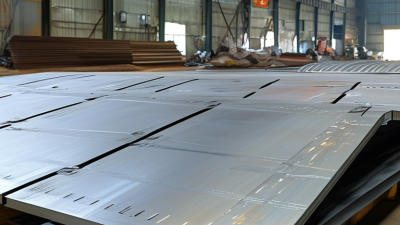
Choosing Galvalume wall panels starts with the supplier, not the product photo. Ask for the MOQ in square meters, panels, or coils. These units are not interchangeable. A low quoted MOQ may apply only to standard colors and thicknesses. Confirm lead time, packing method, and replacement procedures before paying a deposit.
Request a tolerance sheet for thickness, width, length, coating weight, and flatness. Small variations can affect joints and visible wall lines. For large projects, inspect a production sample and measure it with a calibrated gauge. Coil details matter too. Check steel grade, substrate thickness, coil width, and traceability documents. If you also need Galvalume Metal Roof Panels, confirm whether the same coil specification supports roofing profiles and forming requirements.
Finish selection needs practical testing. Matte and textured coatings can hide minor scratches, but they may show color differences between batches. Ask for a retained sample. Certifications should match the supplied material, not just the factory’s general profile. Verify test dates, scope, issuing laboratory, and product dimensions. I have seen buyers accept attractive certificates without checking these details. That mistake is expensive. No checklist is perfect. Leave room for independent inspection, especially when tolerances affect installation speed, weather sealing, or replacement costs.
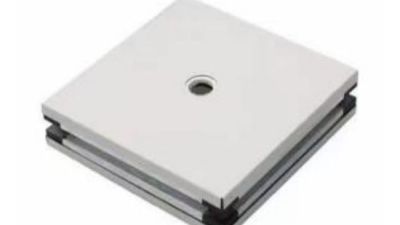
Handmade Cleanroom Panels: Precision, Purity, and Performance for Controlled Environments
Handmade cleanroom panels are designed for controlled environments where precision, purity, and dependable performance are essential. Used in clean workshops, laboratories, and hospital operating rooms, these sandwich panels create smooth, hygienic surfaces that help limit the accumulation of dust and other airborne contaminants. Their carefully selected core and facing materials also support thermal insulation, structural stability, and long-term serviceability.
Unlike panels manufactured through continuous machine production, handmade cleanroom panels are assembled through carefully managed manual processes. This approach allows technicians to work with special dimensions, complex joints, access openings, and non-standard layouts that may be difficult to achieve through automated production. Each panel can be adjusted to fit the project’s requirements, helping maintain accurate alignment and consistent installation quality.
Detailed sealing is another important advantage. Manual fabrication enables close attention to panel connections, corners, doors, windows, and service penetrations, reducing potential gaps where impurities or moisture could enter. With flexible customization, precise workmanship, and surfaces that are easy to clean and maintain, handmade cleanroom panels provide a practical solution for facilities that require reliable environmental control and a high level of cleanliness.
FAQS
A 5V crimp profile has 0.5-inch ribs and about 24-inch coverage. Check local wind requirements too.
Corrugated panels have 0.5-inch ribs and 26–36-inch coverage. R panels use 1.25-inch ribs across roughly 36 inches. That wider profile may suit warehouses.
No. Thickness, profile shape, fasteners, and support spacing also affect capacity. Rib depth alone can mislead.
Confirm the wind load, support conditions, and deflection limit behind each rating. Check whether the table describes single or continuous spans. Easy to miss.
They help buyers review coating, steel grade, thickness, and product details. Request mill certificates and coating test records. A bright surface proves little.
No. Insulation, thermal breaks, air sealing, and interior finishes affect assembly performance. Ask for U-values or R-values when available. Cold fasteners matter too.
Check the tested wall assembly, insulation, joints, and mounting method. A sheet’s rating may not represent the complete wall.
Record salt exposure, humidity, temperature, and maintenance access. ISO 9223 classifies atmospheric corrosivity, but it does not approve a panel. I would not skip a site review.
Conclusion
Galvalume Wall Panels are steel wall systems protected by a 55% aluminum–zinc alloy coating, commonly specified under ASTM A792. This guide explains the differences between AZ50 and AZ55 coatings, including their nominal coating weights and expected protection levels. It also reviews ten practical panel profiles, comparing rib depth, coverage width, appearance, and suitability for agricultural, commercial, industrial, and architectural applications. Key performance factors include yield strength, steel thickness, unsupported span, structural loading, thermal behavior, and installation requirements.
For global buyers, service life depends on exposure conditions, panel detailing, drainage, fasteners, coating quality, and protection of cut edges, especially in marine or high-humidity environments. The article also outlines how ASTM A792, EN 10346, ISO 9223, and applicable fire classifications support consistent purchasing decisions. A supplier comparison should cover minimum order quantities, dimensional tolerances, coil availability, surface finishes, color options, testing documents, certifications, packaging, and delivery capability. This approach helps buyers select panels that balance durability, compliance, performance, and total project cost.