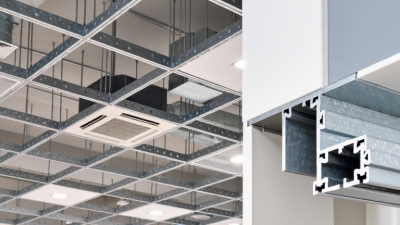
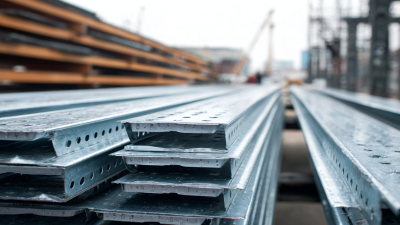
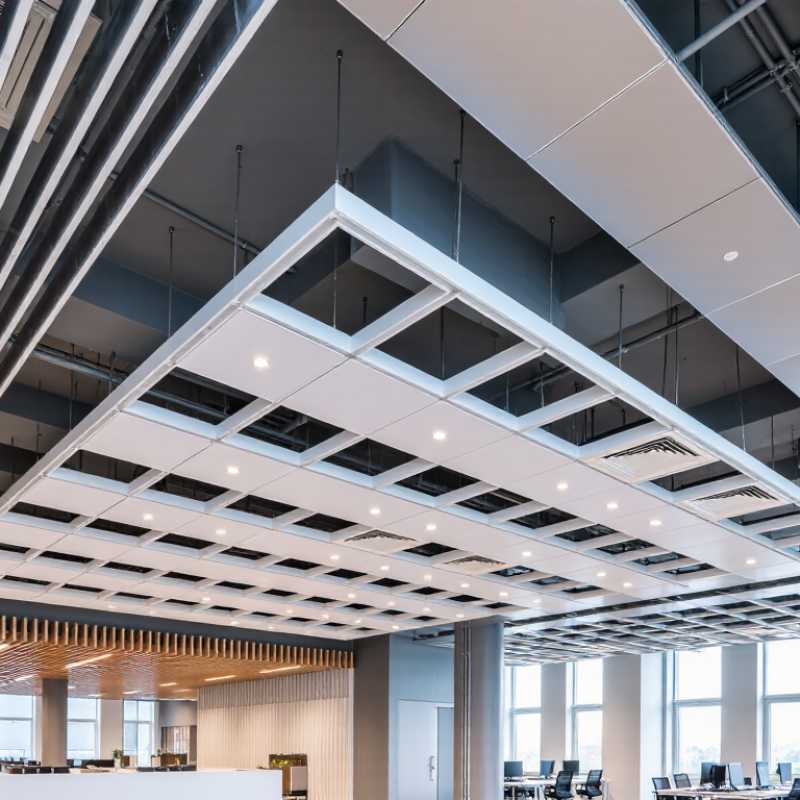
For global buyers, picking the right Metal Ceiling Grid is about a lot more than just price, finish, and lead time. You’ve got to think about how the system handles fire safety, acoustics, corrosion, maintenance access, and the way crews actually install it locally. Exposed lay-in grids work well in offices and retail. Concealed and clip-in systems give you a cleaner ceiling look. Linear and baffle systems? Those can really shape the visual character of a space.
The market keeps shifting, too. The UN Environment Programme’s 2024 Global Status Report for Buildings and Construction says buildings use about 32% of global energy and cause roughly 34% of global carbon emissions. Ceiling components aren’t the biggest culprit, sure. But their steel, coatings, packaging, transport, and replacement cycles still add up. And Dodge Construction Network’s World Green Building Trends report found that 79% of professionals surveyed expected green building activity to grow. That’s a helpful number, but it doesn’t magically lead to smarter purchasing.
Carl Elefante, FAIA, a well-known sustainability expert in the building industry, put it this way: “The greenest building is the one that is already built.” That idea points toward repairable, adaptable ceiling systems instead of short-lived decorative options. Buyers should ask for Environmental Product Declarations, recycled-content data, and proof of compliance with ASTM C635, ASTM C636, or EN 13964, depending on where the project is. It’s also smart to test samples near coastal air, in humid service rooms, or in dusty production areas. Little details matter. A weak clip, for example, can hold up an entire installation. And no global ranking is perfect—quality can vary from factory to factory, even under the same brand. This guide compares Metal Ceiling Grid types by performance, standards, lifecycle value, and real-world installation risk.
Define Metal Ceiling Grid Types: 15/16-Inch, 9/16-Inch, and 24-mm Systems
For global buyers, Metal Ceiling Grid types are defined by face width and metric compatibility. A 15/16-inch system, about 23.8 mm, is the traditional exposed grid. Its wider face is forgiving during installation and suits standard mineral-fiber tiles. A 9/16-inch system creates slimmer lines and a cleaner visual field. It demands better alignment, especially around lights, diffusers, and access panels. A 24-mm system is nearly the metric equivalent of 15/16 inch, but small profile differences can prevent proper tile seating. Do not assume they are interchangeable.
The 2024 Global Metal Ceiling Market report from Grand View Research identifies commercial construction and renovation as major demand areas, supporting continued interest in durable steel and aluminum systems. ASTM C635 covers load-bearing performance for suspension systems, while ASTM C636 addresses installation practice. These references matter more than a product photograph. For humid or coastal projects, specify corrosion-resistant finishes and confirm the required exposure class. Corrugated Metal Ceiling Panels may pair with visible grids, but their weight, fixing method, and movement need separate checking. A practical test is simple: place one panel, one tile, and one light fitting together before ordering. It exposes conflicts early. I have seen drawings show “24 mm” while delivered components followed an imperial profile. That small mistake can delay an entire ceiling zone. Verify dimensions, module size, seismic requirements, and local fire documentation with the project engineer.
Compare Exposed, Semi-Concealed, Concealed, Clip-In, and Hook-On Grids
For global buyers, Metal Ceiling Grid selection should begin with the room’s service needs. Exposed grids show the full support system and simplify panel replacement. They suit offices, workshops, and utility areas where fast access matters. Semi-concealed grids hide part of the flange, creating cleaner lines without removing practical access. This option often balances appearance, maintenance, and budget.
Concealed grids provide a continuous surface with minimal visible joints. They look refined, but panel removal can require more care and planning. Clip-in systems lock panels into the grid and resist casual movement. They work well in corridors, secure rooms, and areas needing a stable finish. Hook-on systems hang from carriers and can be lifted individually. This makes inspections easier above a Corrugated Metal Ceiling Basement, especially around pipes, wiring, and ventilation equipment.
I have seen buyers focus too heavily on appearance. That can become an expensive mistake. Check panel weight, corrosion resistance, acoustic needs, humidity exposure, and local installation requirements. Exposed systems may reveal minor alignment errors under bright lighting. Concealed systems may expose poor access planning later. I once preferred a fully concealed layout, but maintenance concerns changed that recommendation. The practical choice is not always the most attractive one. Measure the suspension depth carefully. Confirm compatible panel dimensions. Ask for installation samples before approving large quantities. Small tolerances matter.
Apply ASTM C635, ASTM E580, and EN 13964 Performance Requirements
2026 Best Metal Ceiling Grid Types for Global Buyers?
For global projects, Metal Ceiling Grid selection should begin with performance requirements, not appearance. Exposed grids offer easier access and simpler replacement. Concealed systems create a cleaner surface but require tighter installation control. ASTM C635 evaluates suspension-system materials, manufacturing, performance, and testing. Buyers should request load data, metal thickness, coating details, and test records.
Seismic locations require closer attention. ASTM E580 addresses suspended ceiling installation where earthquake ground motion is a design concern. It covers restraint, perimeter conditions, and component coordination. A grid may look strong but still fail when perimeter clearances or seismic clips are missing. Confirm the approved assembly, not only individual parts. Small site changes can affect compliance.
EN 13964 applies a broader European framework for suspended ceilings. It addresses characteristics such as load-bearing capacity, fire behavior, acoustics, thermal performance, and corrosion resistance. Check whether the selected grid matches the ceiling panel, hanger spacing, environmental exposure, and national building rules. Humid rooms may need enhanced corrosion protection. Coastal air can be unforgiving.
Documentation matters. Ask for declarations, installation instructions, and traceable test results. Confirm the standard editions accepted by the project authority. Standards do not replace engineering judgment. Even experienced teams can overlook incompatible accessories or uneven substrates. A practical review should compare drawings, site conditions, and the complete grid assembly before ordering.
2026 Best Metal Ceiling Grid Types for Global Buyers
Performance scope comparison against ASTM C635, ASTM E580/E580M, and EN 13964 requirements.
The chart uses a scope indicator: 1 means the standard explicitly addresses the requirement area, while 0 means it is not the primary subject of that standard. ASTM C635 focuses on suspension-system classifications and load-carrying performance; ASTM E580/E580M focuses on seismic installation requirements; EN 13964 covers a broader range of suspended-ceiling performance characteristics, including mechanical, fire, acoustic, thermal, and moisture-related requirements. Project-specific design, testing, and local code verification remain necessary.
Match 600×600-mm and 600×1200-mm Modules to Global Ceiling Layouts
2026 Best Metal Ceiling Grid Types for Global Buyers?
Choosing a metal Ceiling Framing System starts with the ceiling module, not the panel finish. The 600×600-mm format suits offices, schools, and corridors with frequent access needs. Its smaller panels make lighting changes less disruptive. The 600×1200-mm format creates longer visual lines in airports, retail areas, and open workspaces. It can also reduce the number of cross tees. Measure twice.
Exposed T-grid systems are practical where maintenance access matters. Their visible flanges help installers align panels and replace damaged sections quickly.
Concealed grids offer a cleaner surface, but they demand tighter installation tolerances. A small error near a wall can become obvious across a long run.
In practical site reviews, mixed lighting sizes often cause avoidable cuts around the perimeter. Coordination should happen before procurement.
Global layouts require more than metric dimensions. Check local suspension requirements, seismic conditions, humidity, and access-panel locations. A 600×1200-mm layout may suit a wide room, yet clash with narrow service zones.
Ceiling height also changes the visual effect of each module. White metal surfaces reveal uneven joints under strong side lighting. That detail is easy to underestimate. Some projects also need compatible air diffusers, sprinklers, and light fittings. Confirm their face dimensions before selecting the grid spacing. Local installer feedback remains valuable, because drawings rarely show every site irregularity.
Select Grid Materials by Galvanized Steel Thickness, Aluminum Grade, and Finish
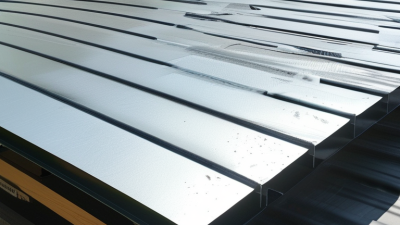
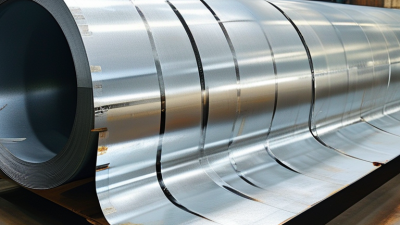
For global buyers, the best metal ceiling grid depends on thickness, alloy, and finish—not appearance alone. Galvanized steel grids between 0.50 and 0.70 mm often balance rigidity, cost, and installation speed. Thinner steel may suit light commercial ceilings, but it can flex around suspension clips. I have seen this create uneven joint lines in long corridors. Thicker steel is stronger, yet it adds weight and may increase shipping costs.
Aluminum offers better corrosion resistance in humid interiors. Common architectural grades such as 3003 or 5005 provide useful formability and surface quality. Grade selection still requires checking load, cutting, and local climate conditions. Corrugated Ceiling Tiles can pair with aluminum grids when designers want a lighter, more textured ceiling. Their finish matters. Powder coating gives a durable colored surface, while anodizing creates a harder metallic appearance. Galvanized steel should have a consistent zinc coating, especially near coastal areas. Scratched edges can become weak points. Ask suppliers for thickness records, alloy certificates, coating data, and sample panels before approval. A bright finish may hide small dents under showroom lighting. It may look different after installation. I would also test a corner joint by hand, because drawings rarely reveal every fitting problem.
Conclusion
Choosing the right Metal Ceiling Grid begins with understanding the main system types: 15/16-inch, 9/16-inch, and 24-mm grids, along with exposed, semi-concealed, concealed, clip-in, and hook-on configurations. Each option creates a different visual effect and installation method, making it important to match the grid with the project’s architectural style, access requirements, and maintenance plan. Common 600×600-mm and 600×1200-mm modules should also be coordinated with international ceiling layouts and service openings.
For reliable performance, global buyers should evaluate ASTM C635, ASTM E580, and EN 13964 requirements, while confirming load capacity, corrosion class, fire rating, and seismic deflection performance. Material selection is equally important: galvanized steel thickness affects strength and durability, aluminum grade influences weight and corrosion resistance, and the finish determines appearance and long-term protection. A careful comparison of these factors helps buyers select a safe, compatible, and cost-effective ceiling grid system for diverse commercial and institutional applications.